Discover the intricate details of Iran's geographical map, a land of vast deserts towering mountains and fertile plains that has profoundly shaped its rich history and diverse cultures. Understanding the physical geography of Iran is crucial for anyone interested in global affairs ancient civilizations or modern geopolitical landscapes. This comprehensive guide provides navigational insights into Iran's topography climate zones major cities and strategic locations making it a trending topic for informed audiences in the United States. Explore how mountains like the Zagros and Alborz ranges not only define its borders but also influence weather patterns and human settlement. Learn about the Caspian Sea to the north and the Persian Gulf to the south vital waterways that have connected Iran to global trade routes for millennia. This information helps decode the country's strategic importance and its enduring cultural resilience.
What defines the Iran geographical map's overall landscape?
The Iran geographical map is largely defined by a central plateau, elevated and arid, flanked by two significant mountain ranges: the Alborz in the north and the Zagros spanning the west and south. This creates a highly varied landscape, featuring deserts, fertile plains, and coastal areas along the Caspian Sea and Persian Gulf. These elements shape its environment.
Which mountain ranges are most prominent on the Iran geographical map?
The two most prominent mountain ranges on the Iran geographical map are the Alborz and the Zagros. The Alborz range, home to Mount Damavand, runs along the northern border, while the Zagros Mountains form a vast system stretching from the northwest to the southeast. Both ranges are crucial for climate and biodiversity.
What are the major desert areas shown on the Iran geographical map?
The Iran geographical map prominently features two large deserts: the Dasht-e Kavir (Great Salt Desert) in the country's central north, and the Dasht-e Lut (Empty Desert) in the southeast. These extremely arid regions are characterized by salt flats and vast sand dunes, significantly impacting settlement patterns and historical routes.
How does the Caspian Sea relate to the Iran geographical map?
The Caspian Sea forms Iran's entire northern border on the Iran geographical map. As the world's largest inland body of water, it significantly influences the climate of Iran's northern provinces, creating lush, fertile lowlands. It also serves as a vital economic and strategic waterway for regional trade and resource access.
What is the strategic importance of the Persian Gulf on the Iran geographical map?
The Persian Gulf, bordering southern Iran on the Iran geographical map, is globally vital. It is a crucial waterway for international shipping, especially for oil exports. Iran's long coastline along this gulf, including its control over the Strait of Hormuz, gives it significant geopolitical influence over global energy markets and maritime security.
Does Iran experience diverse climates based on its geography?
Absolutely. The Iran geographical map showcases extreme climatic diversity. The Caspian coast is humid, the central plateau is arid, and the mountainous regions experience cold, snowy winters. This range is directly attributable to its varied topography, including high mountains blocking moisture and vast deserts creating continental extremes.
Exploring the Iran geographical map helps us understand a nation shaped by its diverse landscapes. This powerful land, nestled in Western Asia, features formidable mountain ranges, expansive deserts, and vital coastlines along the Caspian Sea and Persian Gulf. Its unique geography has historically influenced where people live, how trade routes developed, and why Iran remains a crucial player on the global stage. We will explore its terrain, climate, and strategic importance, offering a navigational and informational look at this fascinating country.
Unveiling the Diverse Terrain of Iran Geographical Map
When you look at the Iran geographical map, you immediately notice its dramatic contrasts. The country is dominated by a central plateau, averaging about 3,000 feet in elevation. This vast interior is largely arid, featuring two major salt deserts: the Dasht-e Kavir and the Dasht-e Lut. These formidable natural barriers have historically protected Iran while also channeling human movement and settlement towards more hospitable areas. Understanding these deserts is key to grasping Iran's historical development and current environmental challenges.
Mountains that Define the Iran Geographical Map
Flanking the central plateau are impressive mountain chains. To the north, the Alborz Mountains rise sharply, home to Mount Damavand, Iran's highest peak. This range traps moisture from the Caspian Sea, creating a lush, verdant strip along the coast that contrasts sharply with the arid interior. To the west and south, the extensive Zagros Mountains stretch for over a thousand miles. These rugged peaks have historically provided natural defenses and hosted diverse nomadic cultures, showcasing the varied human impact on the Iran geographical map.
The Strategic Waterways of the Iran Geographical Map
Iran boasts critical coastlines on both the Caspian Sea to the north and the Persian Gulf and Gulf of Oman to the south. The Caspian Sea, the world's largest inland body of water, offers access to Central Asia and Russia, influencing regional trade and geopolitics. The Persian Gulf is perhaps even more strategically vital, serving as a conduit for a significant portion of the world's oil supply. Iran's long coastline along these waters highlights its historical maritime connections and its enduring importance in global commerce and energy security, as seen on the Iran geographical map.
Climate Zones Across the Iran Geographical Map
Due to its varied topography, Iran experiences diverse climate zones. The Caspian Sea coast enjoys a humid, subtropical climate with abundant rainfall. The central plateau features an arid to semi-arid climate, characterized by hot summers and cold winters with very little precipitation. The mountainous regions experience much colder winters with heavy snowfall. This climatic diversity directly impacts agriculture, population distribution, and resource management across the Iran geographical map, supporting a range of ecosystems from dense forests to harsh deserts.
Key Geographical Features of Iran Geographical Map
Below is a quick overview of some essential geographical elements of Iran.
| Feature | Description | Location |
| Alborz Mountains | Highest mountain range, includes Mount Damavand | Northern Iran, along Caspian Sea |
| Zagros Mountains | Extensive, rugged range, agricultural significance | Western and Southern Iran |
| Dasht-e Kavir | Large salt desert | Central Iran |
| Dasht-e Lut | Another major salt desert, known for extreme heat | Southeastern Iran |
| Caspian Sea | Largest inland water body, northern border | Northern Iran |
| Persian Gulf | Strategic waterway for oil transport | Southern Iran |
| Mount Damavand | Iran's highest peak, dormant volcano | Alborz Mountains |
What Others Are Asking About the Iran Geographical Map?
What are the main geographical features of Iran?
The main geographical features of Iran include the vast central Iranian Plateau, flanked by the rugged Alborz Mountains in the north and the extensive Zagros Mountains in the west and south. It also features significant desert basins like Dasht-e Kavir and Dasht-e Lut, and critical coastlines along the Caspian Sea, Persian Gulf, and Gulf of Oman. These diverse elements collectively define the unique Iran geographical map.
How does Iran's geography affect its climate?
Iran's diverse geography significantly influences its climate. The Alborz Mountains create a humid subtropical zone near the Caspian Sea, while trapping moisture, leading to an arid to semi-arid climate across the central plateau. The Zagros Mountains contribute to colder winters in western regions. This varied topography results in distinct climate zones, from lush northern forests to scorching central deserts, directly seen on the Iran geographical map.
Where is Mount Damavand located on the Iran geographical map?
Mount Damavand, Iran's highest peak and a dormant volcano, is prominently located in the Alborz Mountain range. This range stretches across northern Iran, forming a natural barrier south of the Caspian Sea. Damavand is a significant landmark, offering stunning views and presenting a distinct feature on the Iran geographical map, visible from Tehran on clear days.
What are the major water bodies bordering Iran?
Iran is bordered by several important water bodies. To the north, it shares a long coastline with the Caspian Sea, the world's largest inland sea. To the south, Iran borders the strategically vital Persian Gulf and the Gulf of Oman, which connect to the Arabian Sea and the Indian Ocean. These water bodies are crucial for trade, transportation, and geopolitical influence for the Iran geographical map.
Why is Iran's geographical location considered strategically important?
Iran's geographical location is highly strategic due to its position bridging the Middle East, Central Asia, and South Asia. Its control over the Strait of Hormuz, a critical chokepoint for global oil shipments from the Persian Gulf, grants it immense geopolitical leverage. Additionally, its extensive borders with multiple countries and access to two major seas contribute to its historical and ongoing strategic importance, as illustrated by the Iran geographical map.
Are there any major deserts in Iran?
Yes, Iran is home to two prominent and expansive salt deserts: the Dasht-e Kavir (Great Salt Desert) and the Dasht-e Lut (Empty Desert). These arid regions cover a significant portion of the central and southeastern parts of the country. The Dasht-e Lut, in particular, is known for being one of the hottest places on Earth, showcasing the extreme environments found on the Iran geographical map.
FAQ about the Iran Geographical Map
What is the Iran geographical map?
The Iran geographical map depicts the physical characteristics of Iran, including its mountains, deserts, plains, and coastlines. It showcases the diverse topography, from the Alborz and Zagros ranges to the vast central plateau and important waterways like the Caspian Sea and Persian Gulf.
Why is Iran's geography so diverse?
Iran's geography is diverse due to its large size and position between major tectonic plates. This has created extensive mountain ranges, while its interior continental location and proximity to seas influence its varied climatic zones, resulting in deserts, forests, and fertile valleys.
How does Iran's geography impact its population?
Iran's geography heavily influences population distribution. Most people live in the fertile plains and valleys, especially near mountain foothills and along the Caspian Sea, avoiding the harsh central deserts. This pattern reflects historical water availability and agricultural potential.
Who uses the Iran geographical map for navigation?
Researchers, travelers, geopolitical analysts, and anyone studying the Middle East use the Iran geographical map for navigation and understanding. It helps comprehend trade routes, historical movements, environmental studies, and strategic planning across the region.
How has the Iran geographical map shaped its history?
The Iran geographical map has profoundly shaped its history by providing natural defenses through mountains and deserts, influencing the location of ancient empires, and dictating trade routes. Access to critical waterways like the Persian Gulf also bolstered its historical significance and economic power.
Iran's geography features a central plateau surrounded by rugged mountain ranges like the Alborz and Zagros with crucial access to the Caspian Sea and Persian Gulf. Its diverse terrain includes deserts fertile plains and key strategic waterways significantly influencing its history climate and geopolitical standing.
 Map Of Iran With Provinces Capitals Major Cities Roads And Rivers Iran Map
 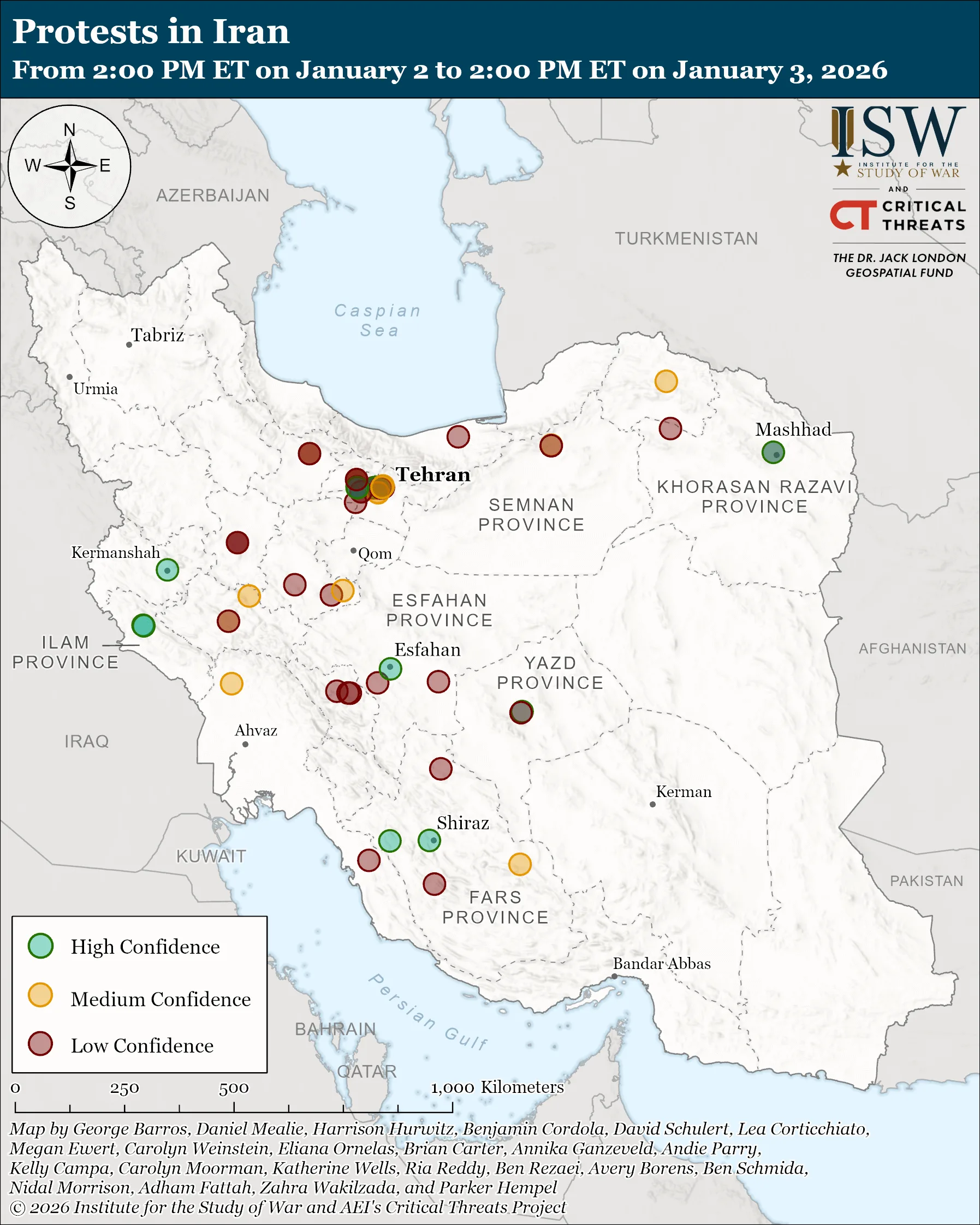 Protests In Iran On Jan ISW Protests In Iran January .webp
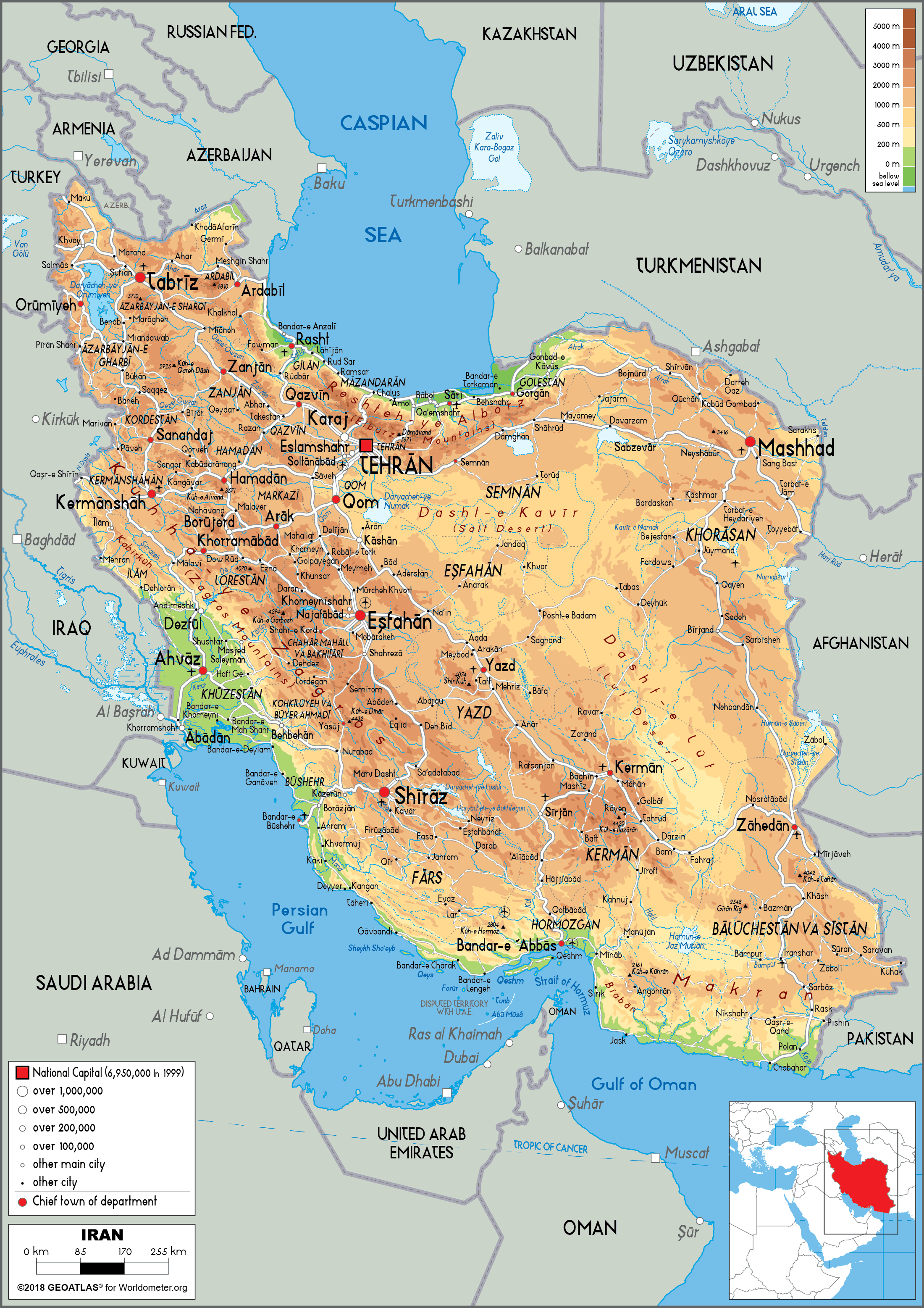 Iran Map Physical Worldometer Iran Physical Map
  Physical Map Of Iran Features And Topography
  Iran Physical Map Iran Relief Hd
 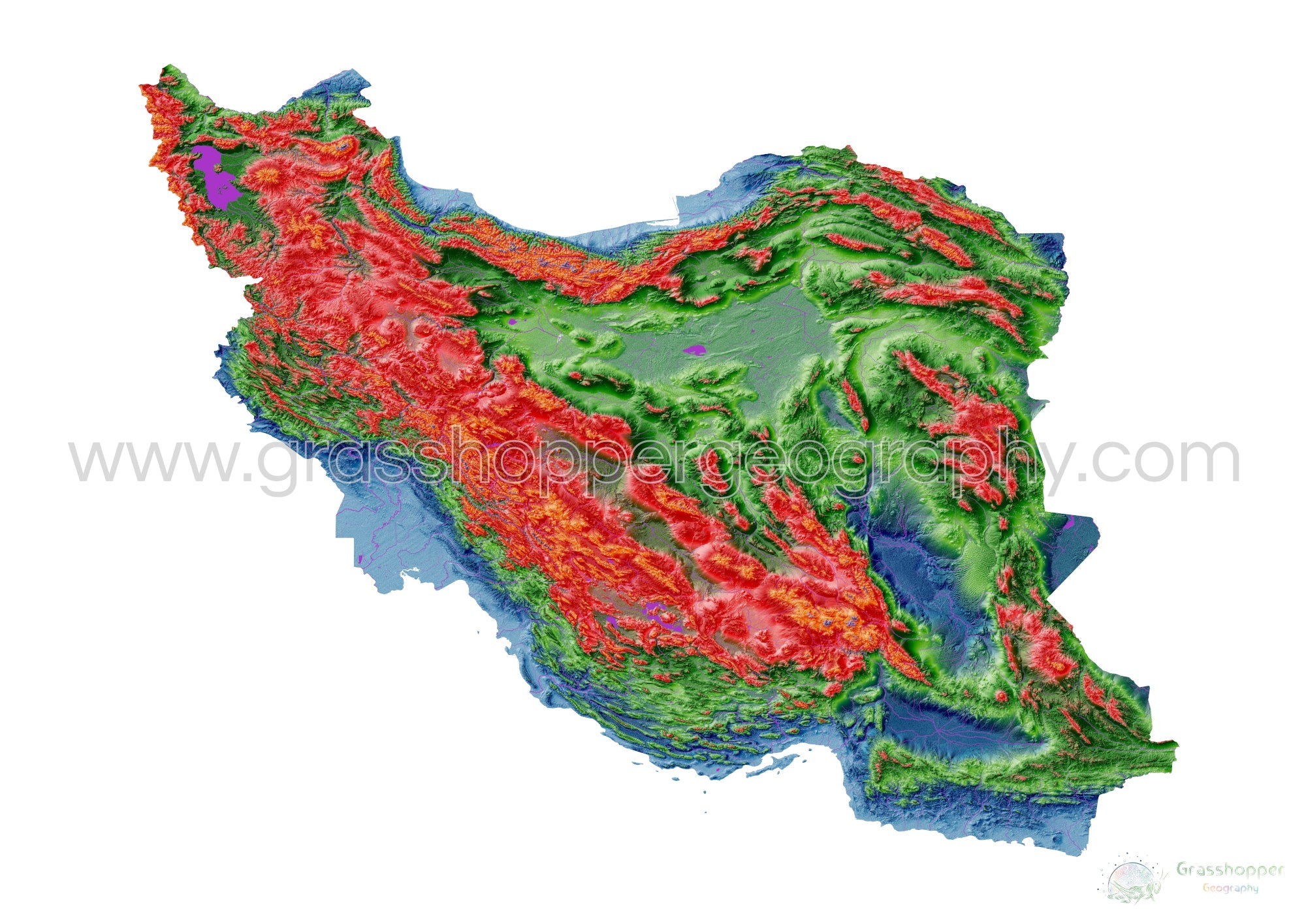 Iran Elevation Map Iran Charts And Maps ONC And TPC Elevation Map Of Iran With White Background Fine Art Print By Grasshopper Geography Licensable
 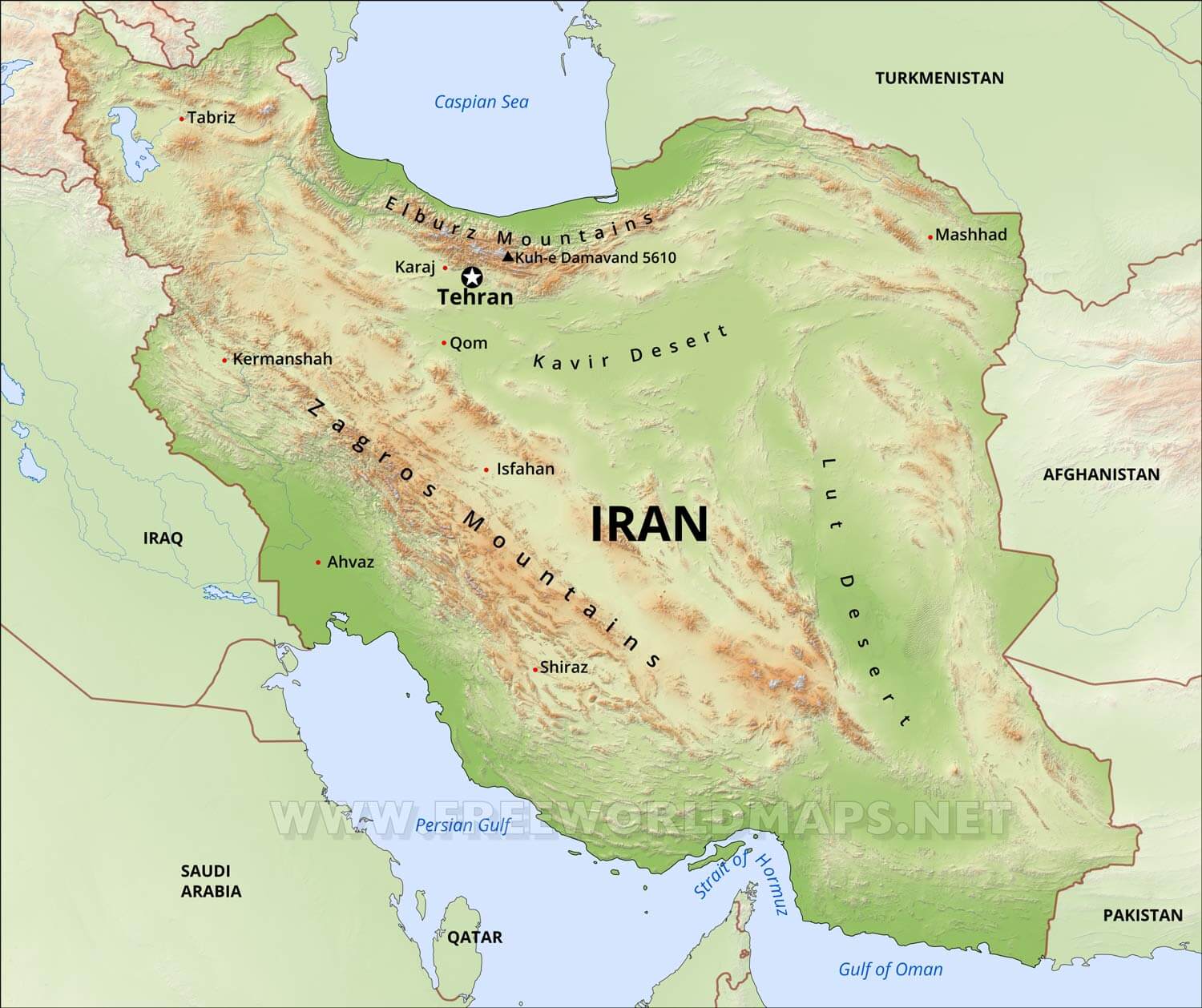 Iran Physical Map Iran Map Physical
  Iran Physical Map Iran
 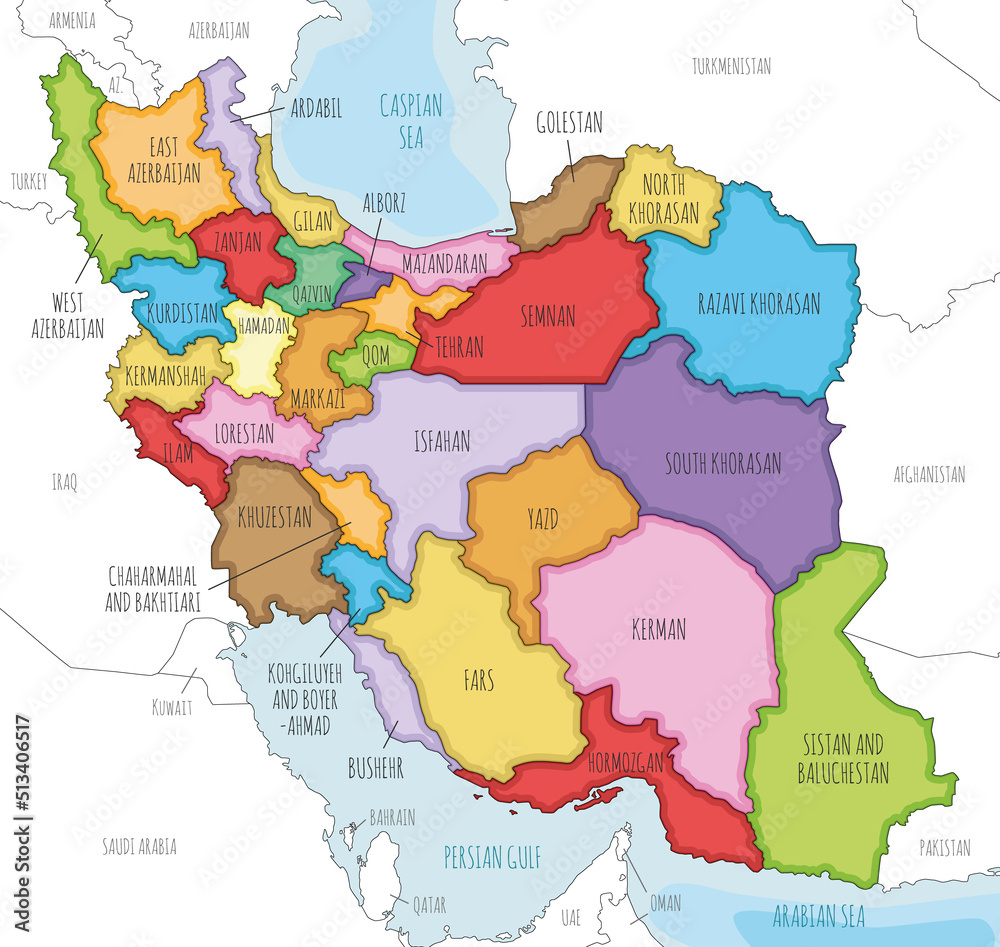 Printable Map Of Iran F
 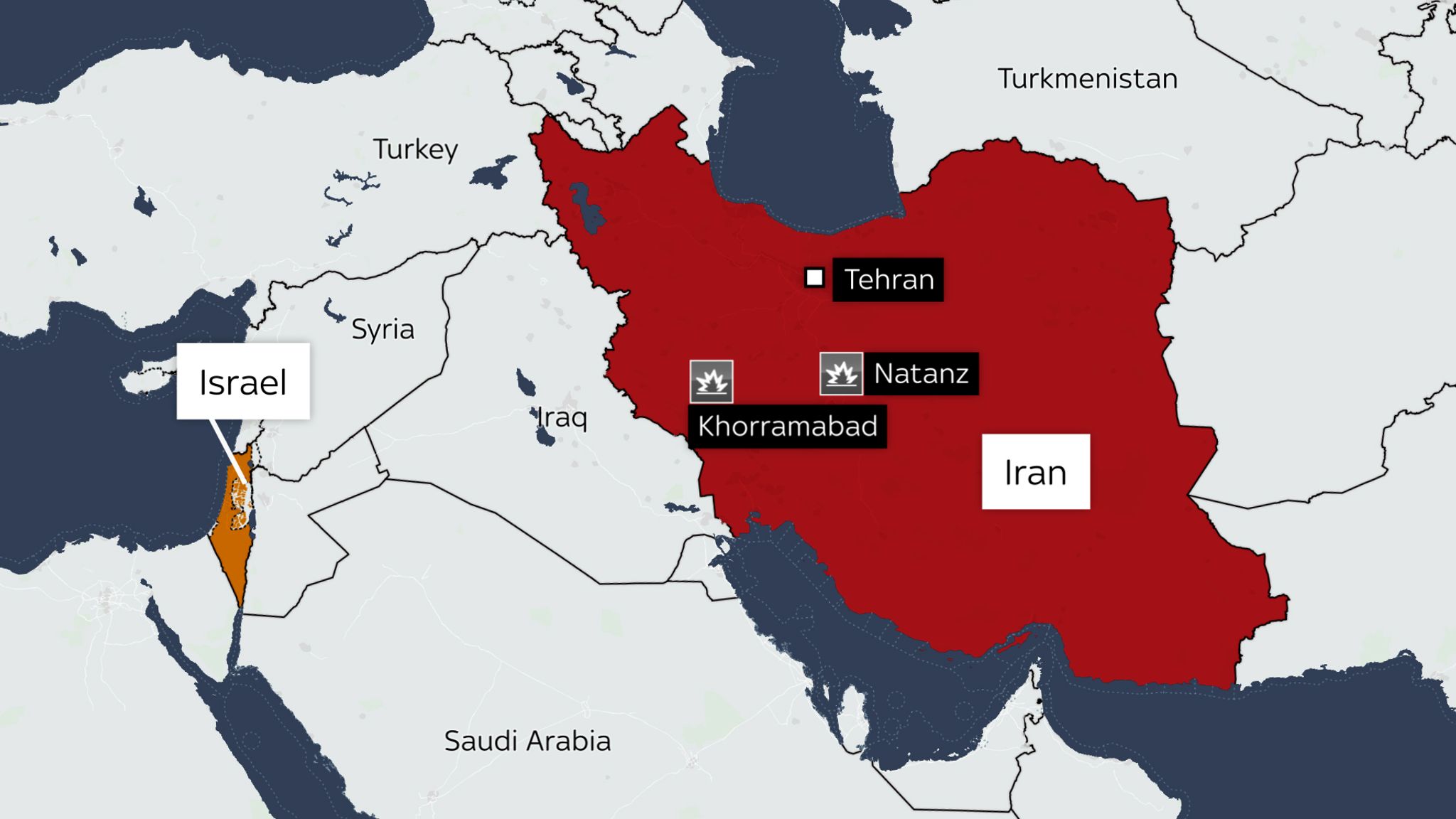 How Conflict Between Israel And Iran Has Unfolded Over Four Days Skynews Iran Map
 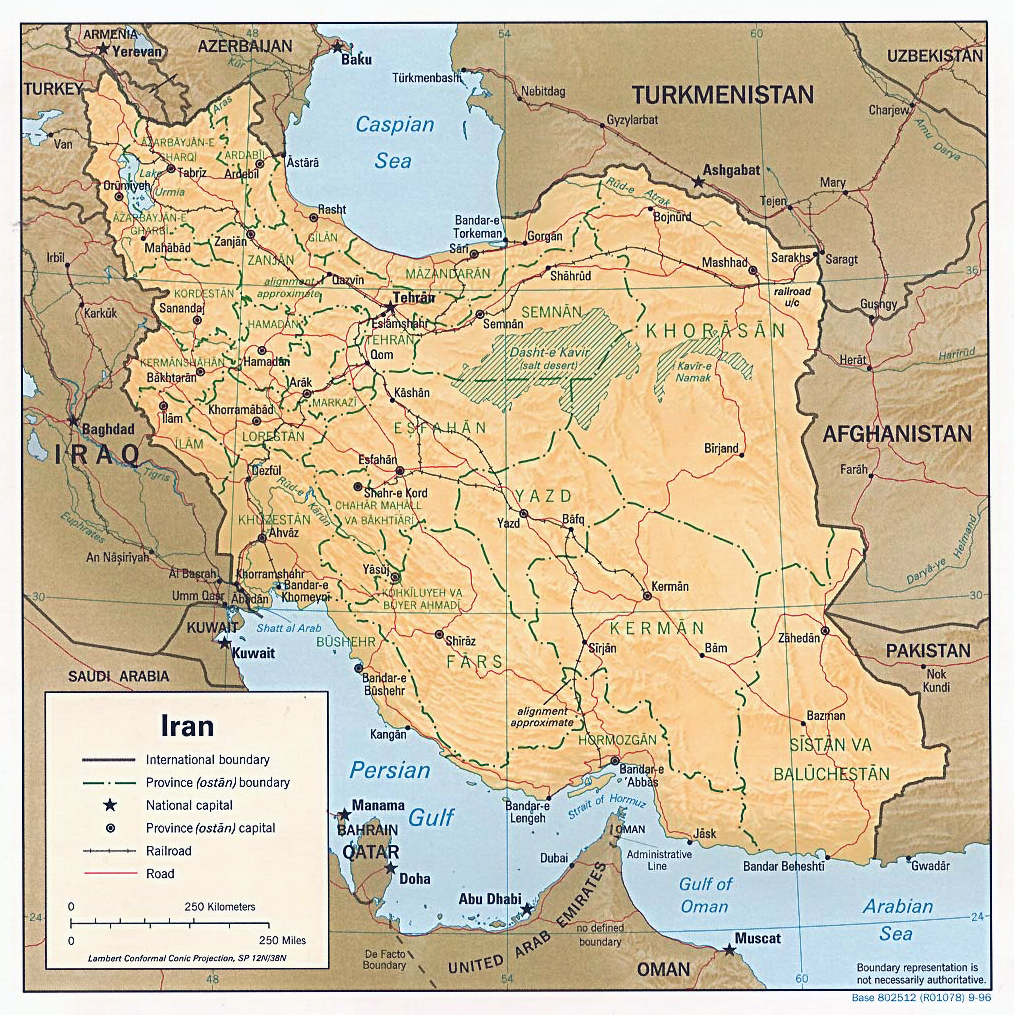 Maps Of Iran Detailed Map Of Iran In English Tourist Map Of Iran Large Political And Map Of Iran With Relief Roads And Cities