Exploring a US map with parallels reveals much about our geography and navigation. These imaginary lines of latitude are crucial for pinpointing locations across the United States. Understanding their role helps us comprehend everything from climate zones to time differences. For anyone interested in American geography or travel, grasping the concept of parallels on a US map is foundational. They provide a universal coordinate system, allowing precise measurements and easy identification of places. This informational content highlights their significance, offering valuable insights for students, travelers, and mapping enthusiasts alike. Discover how these lines shape our understanding of the nation, providing a navigational compass for a diverse landscape.
Q: What is a parallel on a US map?
A: A parallel on a US map is an imaginary line of latitude running horizontally across the map. These lines measure distance north or south of the equator in degrees, providing essential geographical reference points.
Q: How do parallels aid navigation in the United States?
A: Parallels are crucial for US navigation as they define the north-south component of any location. Used with longitude lines, they form a precise grid, allowing for accurate positioning for travel, mapping, and GPS applications.
Q: Why are latitude lines referred to as parallels?
A: Latitude lines are called parallels because they extend around the Earth parallel to the equator and to each other. They maintain an equal distance apart and never converge, thus forming parallel circles.
Q: Can parallels appear curved on a US map?
A: Yes, parallels can appear curved on a US map depending on the specific map projection utilized. While some projections depict them as straight, others, like conic projections, will show them with a noticeable curve.
Q: What is the primary function of parallels on a US map?
A: The primary function of parallels on a US map is to indicate the precise latitude of a location. This information is vital for understanding geographical position, climate zones, and for accurate navigational charting across the country.
Q: How do parallels relate to climate zones in the US?
A: Parallels directly relate to climate zones in the US because latitude significantly influences temperature and weather patterns. Locations closer to the equator (lower parallels) generally experience warmer climates, while higher parallels indicate colder regions.
A US map with parallels fundamentally helps us understand our nation's geography. Parallels are imaginary lines circling the Earth, indicating latitude. They run east and west, parallel to the equator, never converging. These lines are essential for navigation and accurately pinpointing locations. They show distance north or south of the equator, which is crucial. Understanding parallels unlocks deeper insights into the diverse American landscape.
The significance of a US map with parallels for navigational purposes cannot be overstated. Sailors, aviators, and even everyday GPS systems rely on these lines. They form part of the geographic coordinate system, providing precise location data. Each parallel represents a specific degree of latitude, guiding travelers accurately. This system ensures consistent mapping across the entire United States.
Why Parallels Are Crucial for Your US Map
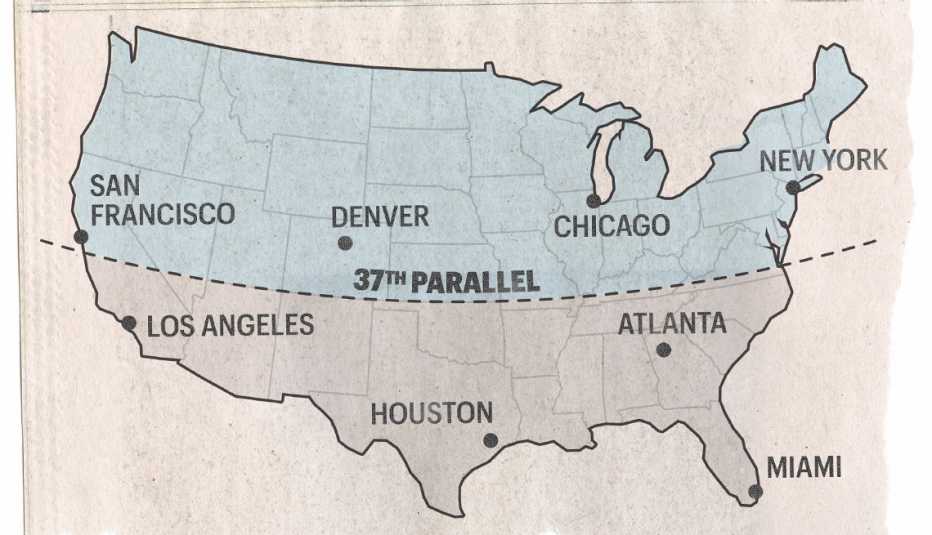
Parallels on a US map illustrate critical geographic and climatic divisions. These lines help define climate zones across the country. States closer to the equator, like Florida, experience warmer climates. Northern states, such as Minnesota, exhibit colder temperatures. This visual representation clarifies regional weather patterns and agricultural suitability. It is a powerful educational tool for all ages.
Understanding latitude and longitude together provides a complete grid for any US map with parallels. While parallels give us the north-south position, meridians (longitude lines) provide the east-west. This combination allows for exact coordinates for every point. It empowers accurate map reading and location tracking. Mastering both is key to true geographic comprehension.
Different map projections display parallels on a US map in various ways. Some projections show parallels as straight, evenly spaced lines. Others, like conic projections, show them as curved arcs. The choice of projection affects how we perceive size and shape. Each projection serves specific mapping purposes effectively. This highlights the adaptability of map design.
Practical uses of a US map with parallels extend beyond simple navigation. Educators use them to teach geography and Earth sciences. Urban planners and meteorologists also rely on this information. Parallels aid in understanding weather patterns and resource distribution. They are foundational for many scientific and planning endeavors nationwide.
What Others Are Asking?
What are parallels on a US map?
Parallels on a US map are imaginary lines of latitude that run horizontally, parallel to the equator. They measure distance north or south of the equator in degrees. These lines are fundamental for determining exact geographical locations within the United States.
How do parallels help with US navigation?
Parallels provide the north-south component of geographic coordinates, essential for navigation. When combined with meridians (longitude), they create a precise grid. This grid allows pilots, sailors, and GPS systems to accurately pinpoint positions across the US.
Are parallels always straight lines on a US map?
No, parallels are not always straight lines on a US map. Their appearance depends on the map projection used. On some projections, like Mercator, they are straight. On others, like conic projections, they might appear as curved arcs.
Why are lines of latitude called parallels?
Lines of latitude are called parallels because they run parallel to each other and the equator. They never intersect, maintaining a constant distance. This parallel arrangement ensures consistent measurement of degrees north or south.
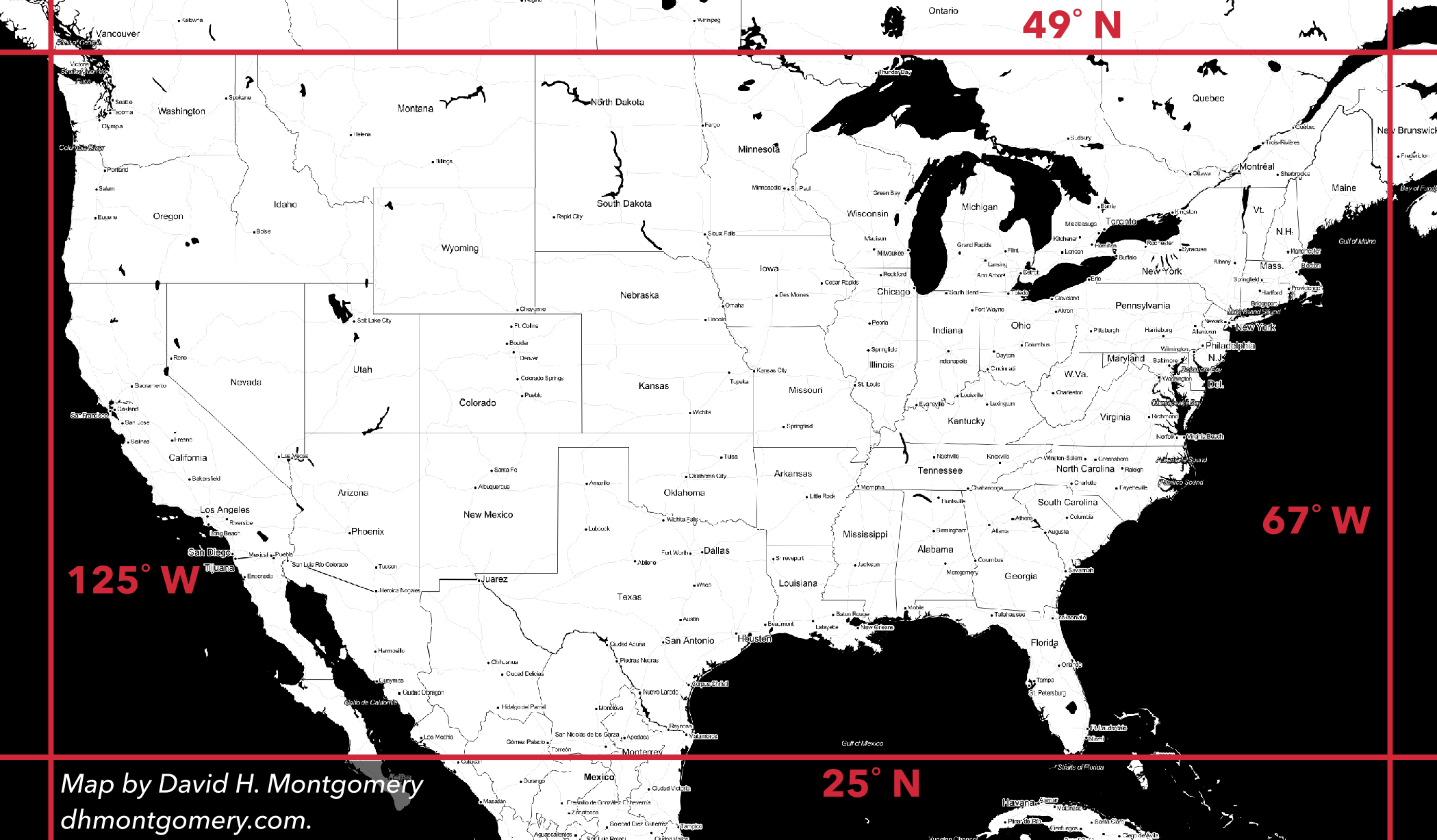
What is the significance of the 49th parallel in the US?
The 49th parallel north is highly significant in the US as it forms a large portion of the international border between the United States and Canada. This parallel was established by treaty to define a clear boundary between the two nations.
FAQ about US Map with Parallels
What is a US map with parallels?
A US map with parallels displays lines of latitude, which are imaginary horizontal lines. These lines help measure distances north or south from the equator. They are crucial for accurate geographical understanding and navigation.
Why are parallels used on US maps?
Parallels are used on US maps to establish precise geographic locations. They form part of the coordinate system, enabling accurate navigation, climate zone identification, and educational instruction about Earth's geography.
How do parallels assist in understanding US geography?
Parallels assist in understanding US geography by visually representing north-south distances. This helps in identifying climate differences across states and understanding how location impacts various environmental factors within the country.
Who uses US maps with parallels?
Various individuals and professionals use US maps with parallels, including navigators, educators, students, meteorologists, and urban planners. Anyone interested in precise location, climate, or geographical data benefits from these maps.
| Concept | Lines of Latitude |
| Direction | Run East-West |
| Relationship | Parallel to each other and the Equator |
| Measurement | Degrees North or South of Equator |
| Purpose | Navigation, Climate Zones, Location Pinpointing |
| Examples | 49th Parallel (US-Canada Border) |
| Representation | Varies by Map Projection |
Understanding latitude lines on US maps. Navigational importance of parallels. Geographic coordinates explained for USA. Climate zone mapping using parallels. Educational value of US map parallels.
 America S Future In Four Maps Love
 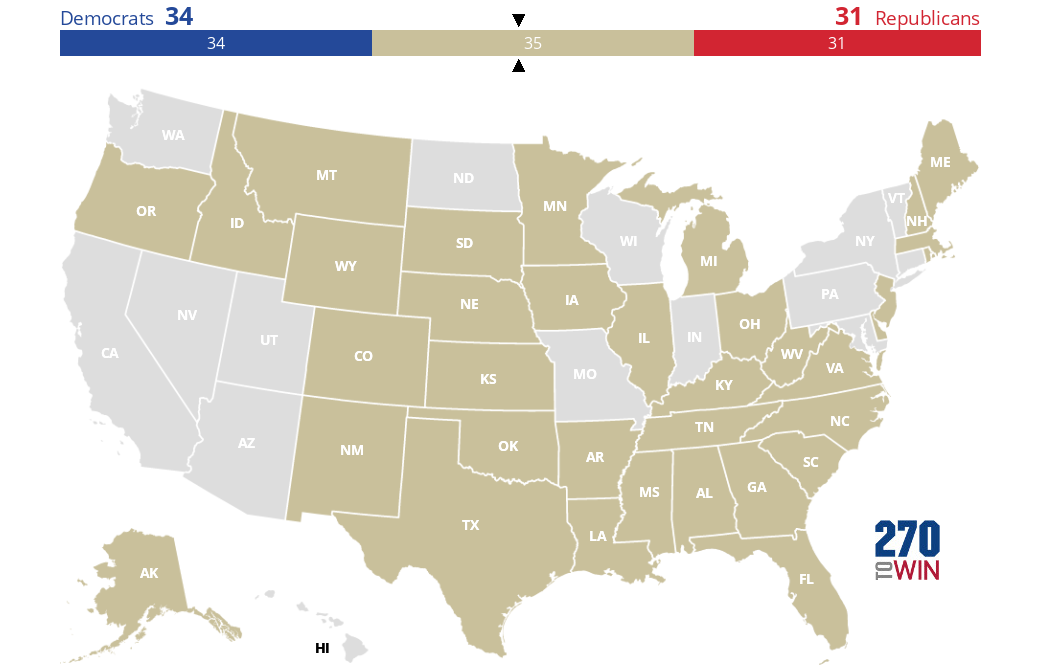 Introducing The Senate Interactive Map toWin Blank Senate Map
 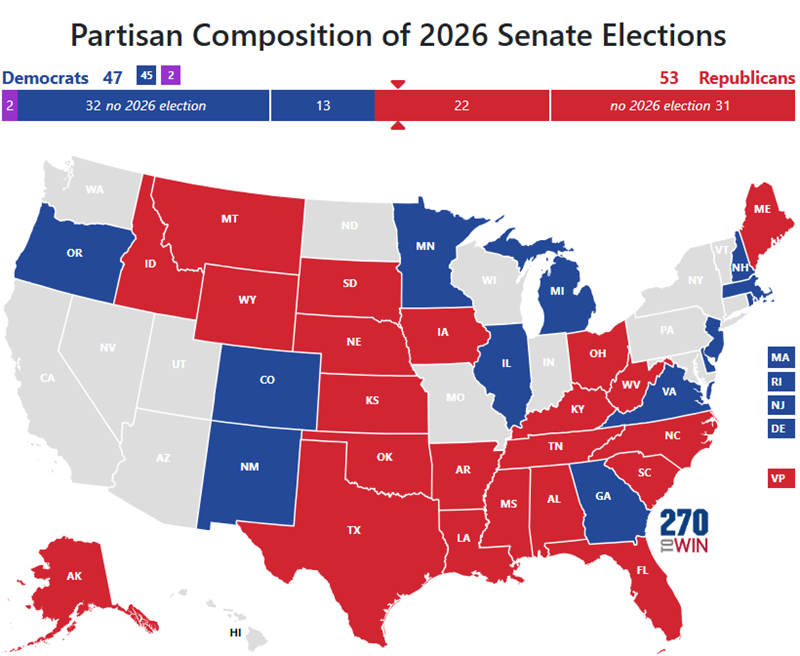 Introducing The Senate Interactive Map toWin Senate Incumbent
 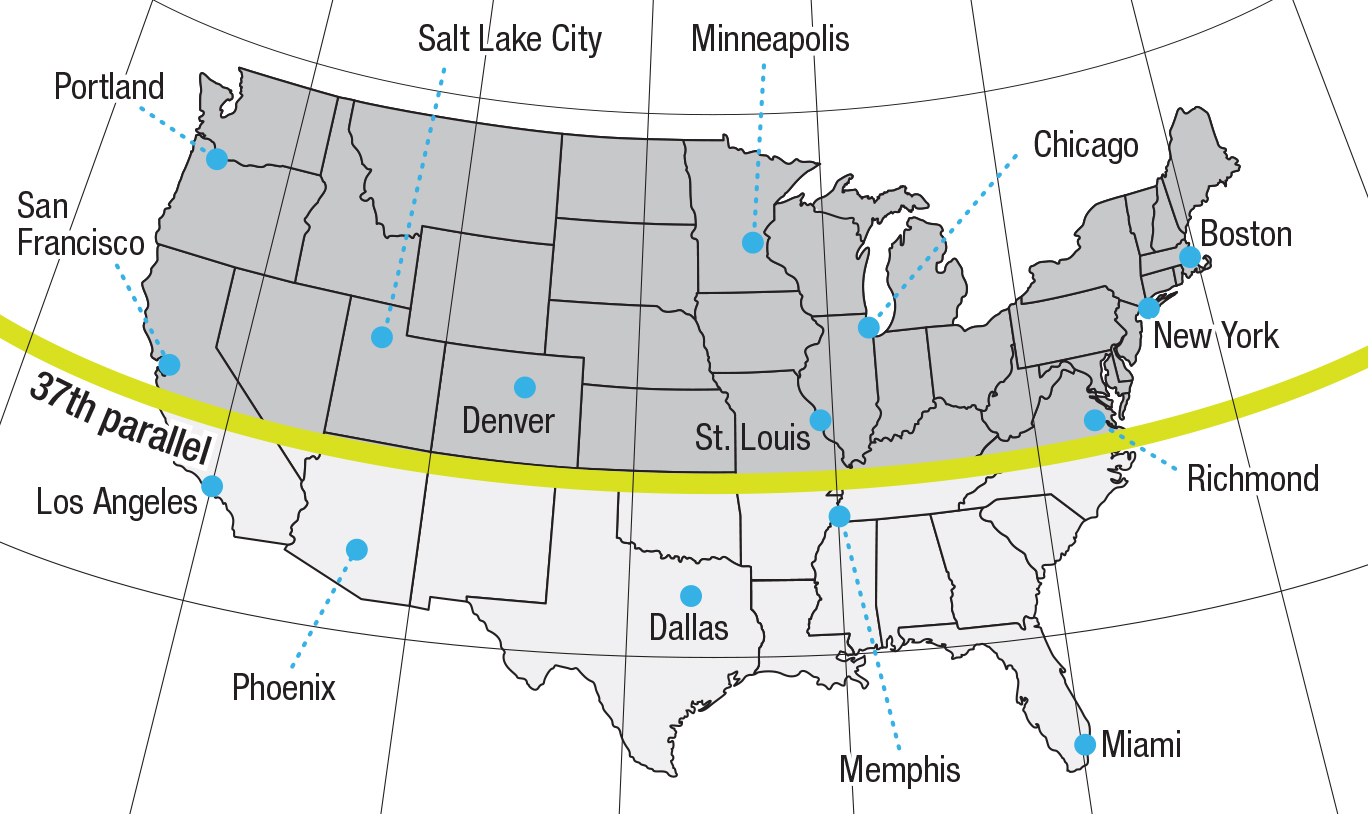 Short Map Us Map Outline Latitude Longitude
  Parallel Lines Usa At Ashley Fuller Blog
 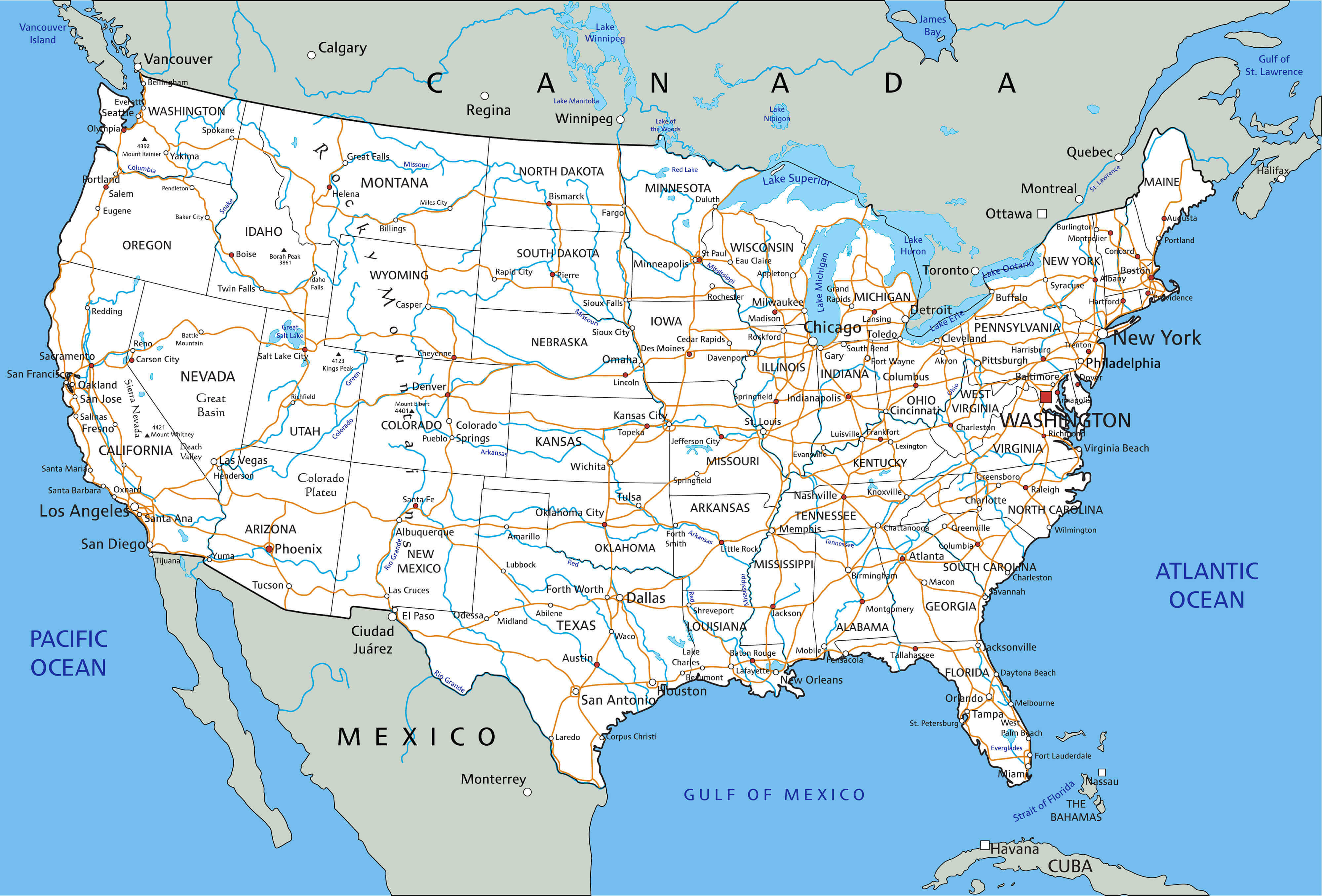 View Map Of United States First Day Of Spring Countdown Map United United States Maps
  rd Parallel North Map Site To The North Of High Street High Overviewmap
  The Answers To Your Most Pressing Medical Questions th Parallel Map
  What Are The Elections
  Triathlon Calendar United States .webp