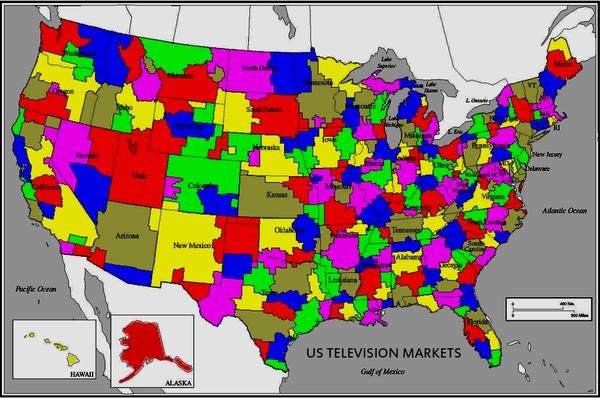
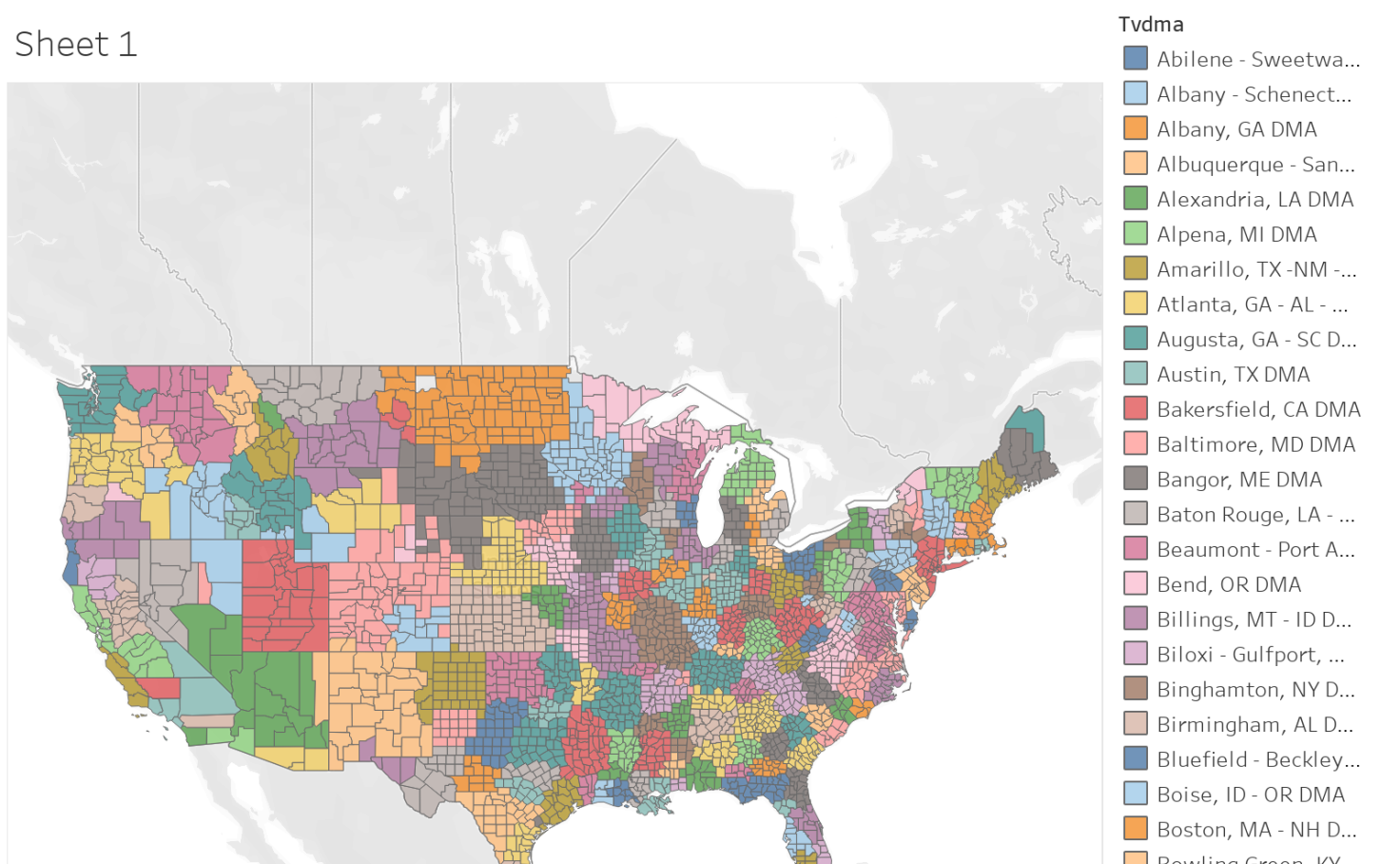
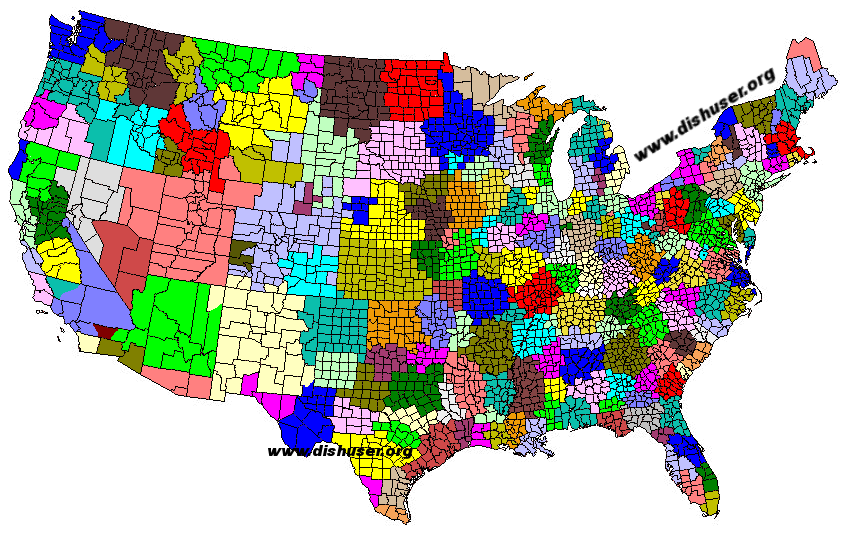
The US TV markets map defines how television content reaches homes across America. Understanding these Designated Market Areas DMAs is crucial for advertisers broadcasters and even political campaigns. Each DMA represents a specific geographic region where local television stations compete for viewers and advertising revenue. These maps illustrate the fragmented nature of the US television landscape showing distinct boundaries for areas like New York Los Angeles Chicago and hundreds of smaller markets. This segmentation impacts everything from local news coverage to national ad buys. Broadcasters use these maps to strategically plan their programming and allocate resources while advertisers pinpoint precise demographics for their campaigns. Even consumers benefit from this structure as it ensures tailored local content. The dynamics of these markets are constantly evolving due to shifting populations and technological advancements. Keeping up with the latest US TV markets map offers a clear advantage in the competitive media environment. It truly highlights the intricate broadcast ecosystem.
Q: What is the primary purpose of the US TV markets map?
A: The US TV markets map's primary purpose is to define Designated Market Areas (DMAs) which are crucial for segmenting the country into local television viewing regions. This framework helps broadcasters deliver local content and allows advertisers to target specific audiences effectively optimizing media planning.
Q: Who uses the US TV markets map most frequently?
A: The US TV markets map is primarily used by television broadcasters media buyers advertisers and political campaign strategists. These professionals rely on DMA data to understand viewership patterns allocate advertising budgets and tailor messaging to specific local populations across the United States.
Q: How does the US TV markets map impact local news?
A: The US TV markets map directly impacts local news by delineating the geographical boundaries for each station's coverage. News content is tailored to the specific DMA ensuring relevance to local residents. This structure means stations focus on events and issues pertinent to their defined market on the US TV markets map.
Q: Can I find a current US TV markets map online?
A: Yes current versions of the US TV markets map are available online often provided by media research firms like Nielsen or through industry publications. These maps visually represent the 210 DMAs providing up-to-date information on market boundaries and demographics for the US TV markets map.
Q: What factors determine a DMA's size on the US TV markets map?
A: A DMA's size on the US TV markets map is primarily determined by population density geographic reach of local TV signals and established viewing habits. Nielsen analyzes these factors to group counties into cohesive markets ensuring that each DMA represents a distinct and measurable television audience.
The US TV markets map often referred to as Designated Market Areas or DMAs is a fundamental framework in the American television landscape. It precisely defines geographical regions where local television stations compete for viewership and advertising dollars. These maps are essential tools for broadcasters advertisers and political strategists helping them understand where and how to reach specific audiences. They dictate local news coverage sports broadcasts and targeted advertising campaigns ensuring content is relevant to regional communities across the nation.
Understanding the US TV Markets Map Defining Local Viewership
A Designated Market Area or DMA outlines distinct geographic regions for television viewing. Each DMA represents an exclusive geographic area where a given population watches specific local TV stations. The US TV markets map breaks down the entire country into these individual markets from bustling metropolises to rural communities. This system ensures local relevance in programming and advertising. For instance a news story important in one DMA might not air in another.
How the US TV Markets Map Drives Advertising Strategies
Advertisers rely heavily on the US TV markets map to plan their campaigns effectively. By understanding the demographics and consumer behaviors within each DMA businesses can precisely target their advertisements. This strategic placement maximizes the impact of marketing budgets and ensures messages resonate with local audiences. Without the US TV markets map national campaigns would struggle to adapt to regional nuances. It is a cornerstone of effective media buying.
The Evolution of the US TV Markets Map in a Digital Age
While the core concept of the US TV markets map remains its application continuously evolves. Digital streaming and online content platforms introduce new complexities to traditional market boundaries. However local television remains a powerful force and DMAs still provide a vital structure for local media engagement. Understanding the US TV markets map helps navigate this blend of traditional and digital media.
Key US TV Markets Map Overview
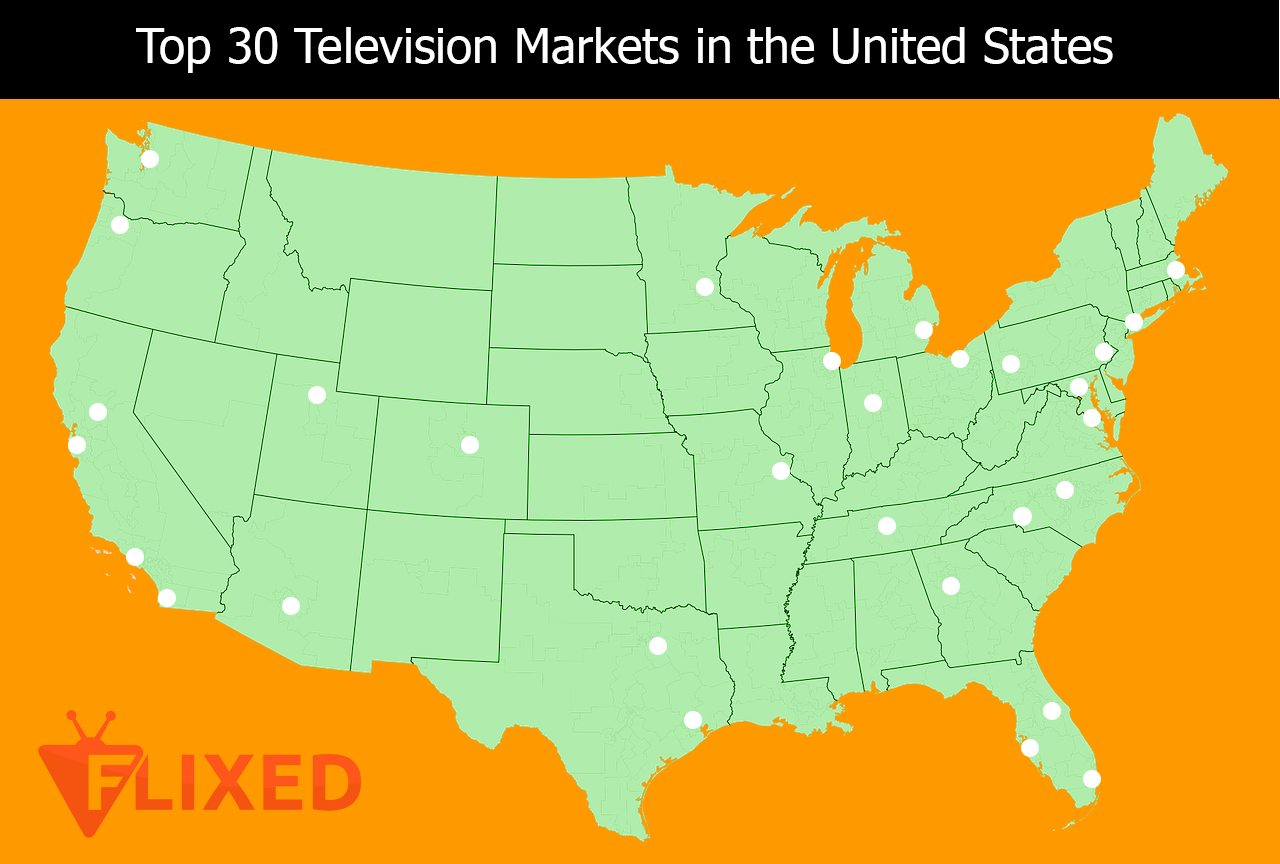
Here is a glimpse into some of the largest US TV markets illustrating the scale and diversity across the nations viewing landscape:
| Rank | Market Name | State | Households (Approx. 2026) |
|---|---|---|---|
| 1 | New York | NY | 7.3 Million |
| 2 | Los Angeles | CA | 5.8 Million |
| 3 | Chicago | IL | 3.4 Million |
| 4 | Philadelphia | PA | 2.9 Million |
| 5 | Dallas-Ft Worth | TX | 2.7 Million |
What Others Are Asking US TV Markets Map FAQs
What is a Designated Market Area DMA on the US TV markets map?
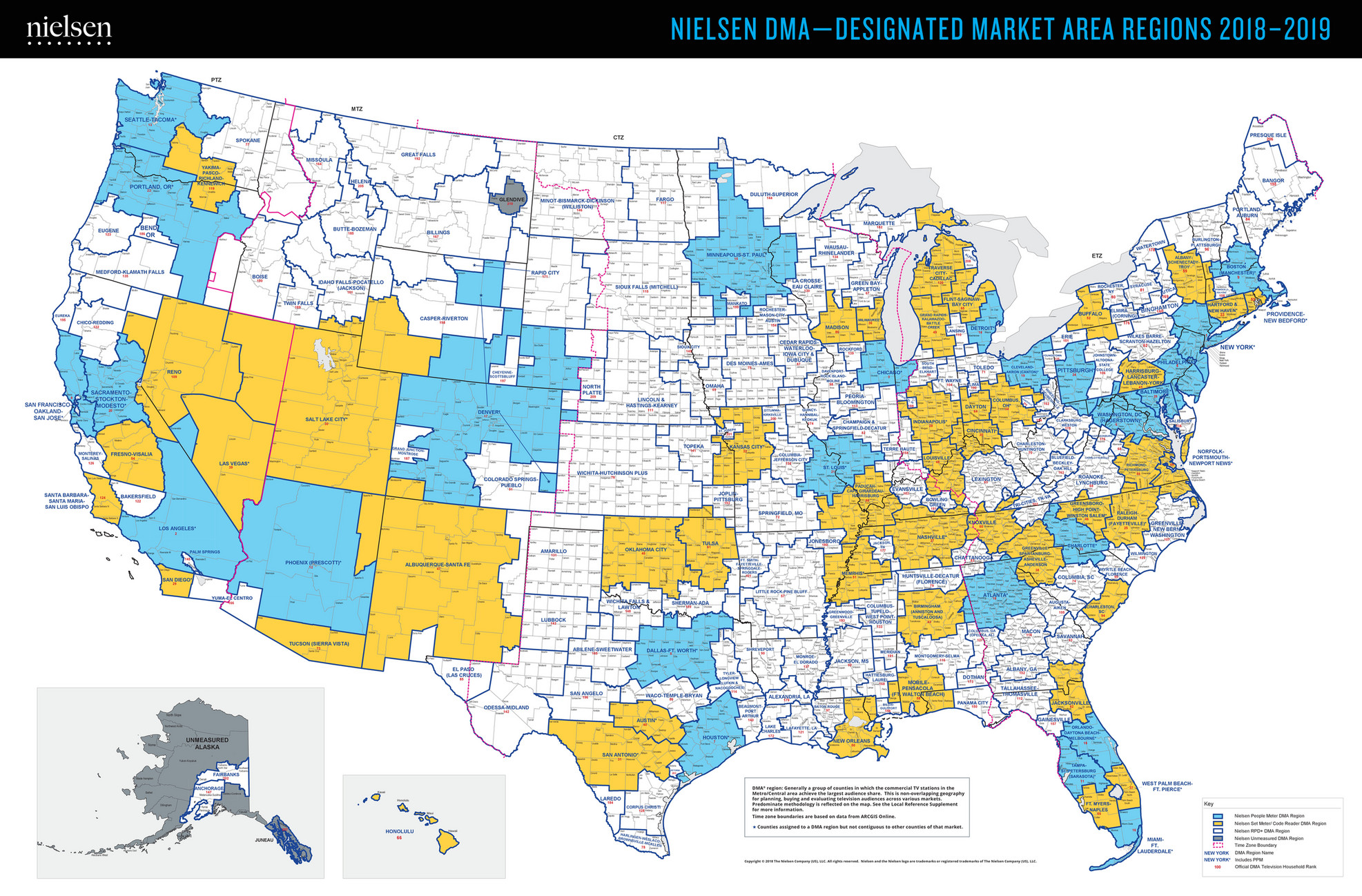
A Designated Market Area (DMA) is a geographic region in the United States used by Nielsen Media Research to define local television markets. It groups counties where the dominant television stations are viewed serving as a standard for audience measurement and advertising segmentation. The US TV markets map clearly outlines these crucial zones.
How many DMAs are there in the US TV markets map?
There are 210 Designated Market Areas (DMAs) across the United States according to Nielsen. These distinct regions cover the entire country ensuring every household falls within a specific local TV market. Each DMA on the US TV markets map represents a unique media landscape.
What is the largest TV market on the US TV markets map?
New York City consistently ranks as the largest television market in the United States. Its massive population and extensive media infrastructure make it the top DMA for advertisers and broadcasters alike. The New York DMA dominates the US TV markets map.
How often do TV markets change on the US TV markets map?
While the fundamental structure of the US TV markets map is quite stable Nielsen reviews and adjusts DMA boundaries periodically. These changes are usually minor reflecting shifts in population viewing habits or technological advancements. Major reconfigurations are rare maintaining consistency for the US TV markets map.
Why are TV markets important for advertisers looking at the US TV markets map?
TV markets are vital for advertisers because they enable highly targeted campaigns. By understanding the demographics and consumer behaviors within each DMA on the US TV markets map advertisers can optimize their media buys. This precision ensures their messages reach the most relevant local audiences effectively maximizing impact.
FAQ About the US TV Markets Map
Who defines the US TV markets map?
Nielsen Media Research is the primary entity that defines and maintains the US TV markets map establishing the Designated Market Areas (DMAs). Their research provides the industry standard for audience measurement and geographical segmentation of television viewership across the country.
What does the US TV markets map represent?
The US TV markets map represents the geographical breakdown of the United States into distinct television viewing areas known as DMAs. It illustrates which local television stations serve specific regions indicating where populations consume local broadcast content and how advertising markets are segmented.
Why are US TV markets mapped out?
US TV markets are mapped out to provide a standardized framework for media planning advertising sales and audience measurement. This segmentation allows broadcasters to tailor content locally and enables advertisers to target specific demographics effectively maximizing their reach and impact within the US TV markets map.
How does the US TV markets map affect me?
The US TV markets map directly affects you by determining the local news weather and community programming you receive from your local television stations. It also influences the local advertisements you see as campaigns are often tailored to the specific DMA where you reside impacting your viewing experience.
Summary of Key Points about the US TV Markets Map
The US TV markets map also known as Designated Market Areas or DMAs is a critical organizational tool for the American television industry. These maps define specific geographic regions where local TV stations operate influencing everything from news coverage to advertising strategies. They provide essential data for broadcasters advertisers and political campaigns ensuring targeted and relevant communication with local audiences. Understanding the US TV markets map helps navigate the complex and dynamic world of television media highlighting its enduring importance in a rapidly evolving digital landscape.
The US TV markets map defines Designated Market Areas DMAs across the United States. These DMAs are crucial for understanding local television viewership and advertising reach. They delineate distinct geographic regions served by specific local TV stations impacting programming news coverage and advertising strategies. The map's importance extends to media planning political campaigns and local content delivery. Understanding the US TV markets map helps navigate the complex and evolving media landscape.
35


Decoding The US TV Markets Map A Viewers Guide . File US TV Market Map Svg Wikimedia Commons 1024px US TV Market Map.svg . The Country S Largest Television Markets Lrg 5899 Television Market Map . Decoding The US TV Markets Map A Viewers Guide MarketMap . Map Of US Television Markets


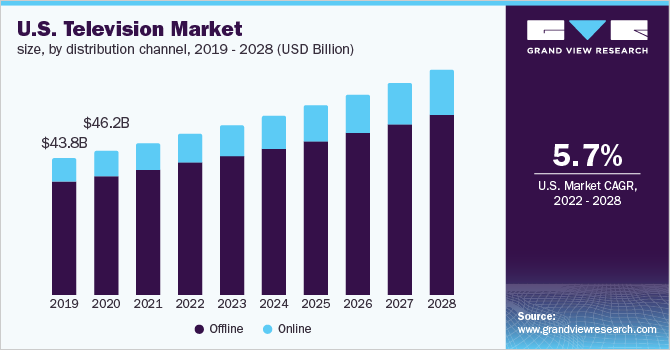
Decoding The US TV Markets Map A Viewers Guide Da299c4a Ba96 42fa Bf9d At1600 . And Cable TV Market Industry Report 2030 Cable Tv Market Trends By Region . Decoding The US TV Markets Map A Viewers Guide BLOGS03 161219933 AR 1 . Top 10 Us Tv Markets At Nathan Ronk Blog . Decoding The US TV Markets Map A Viewers Guide Us Television Market
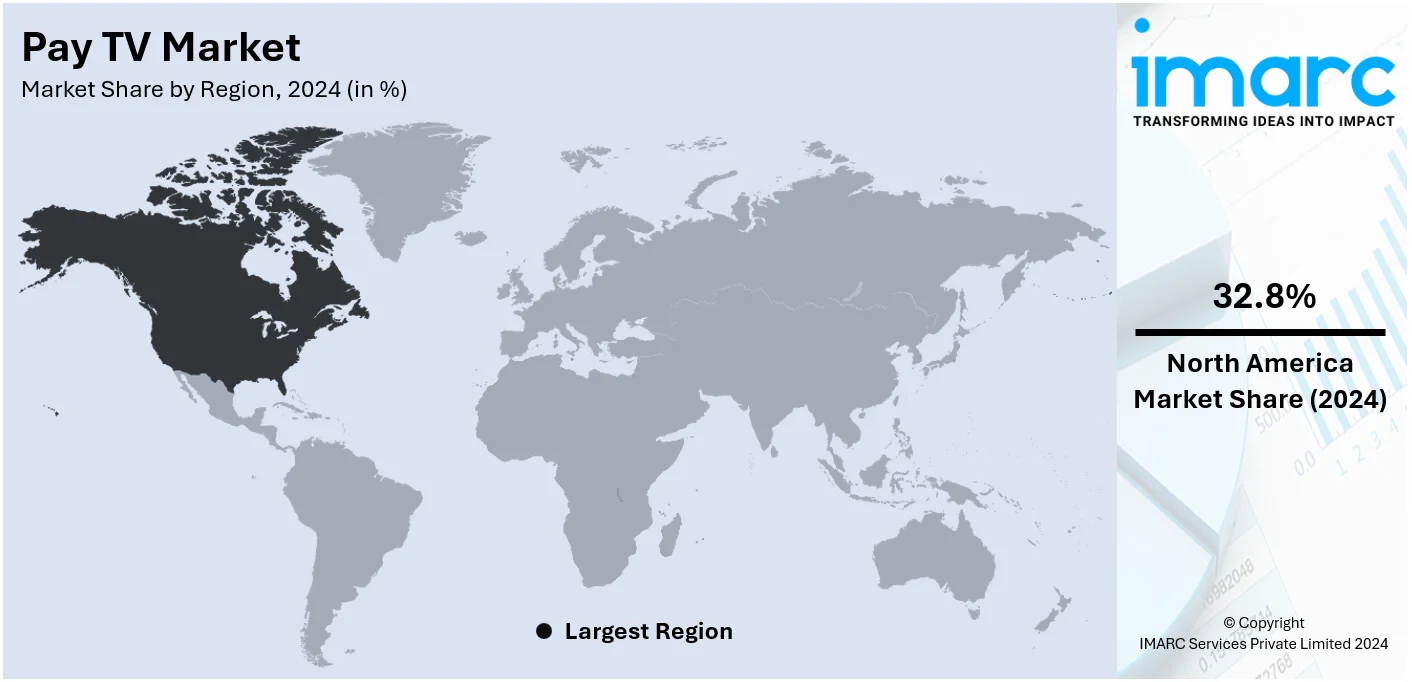
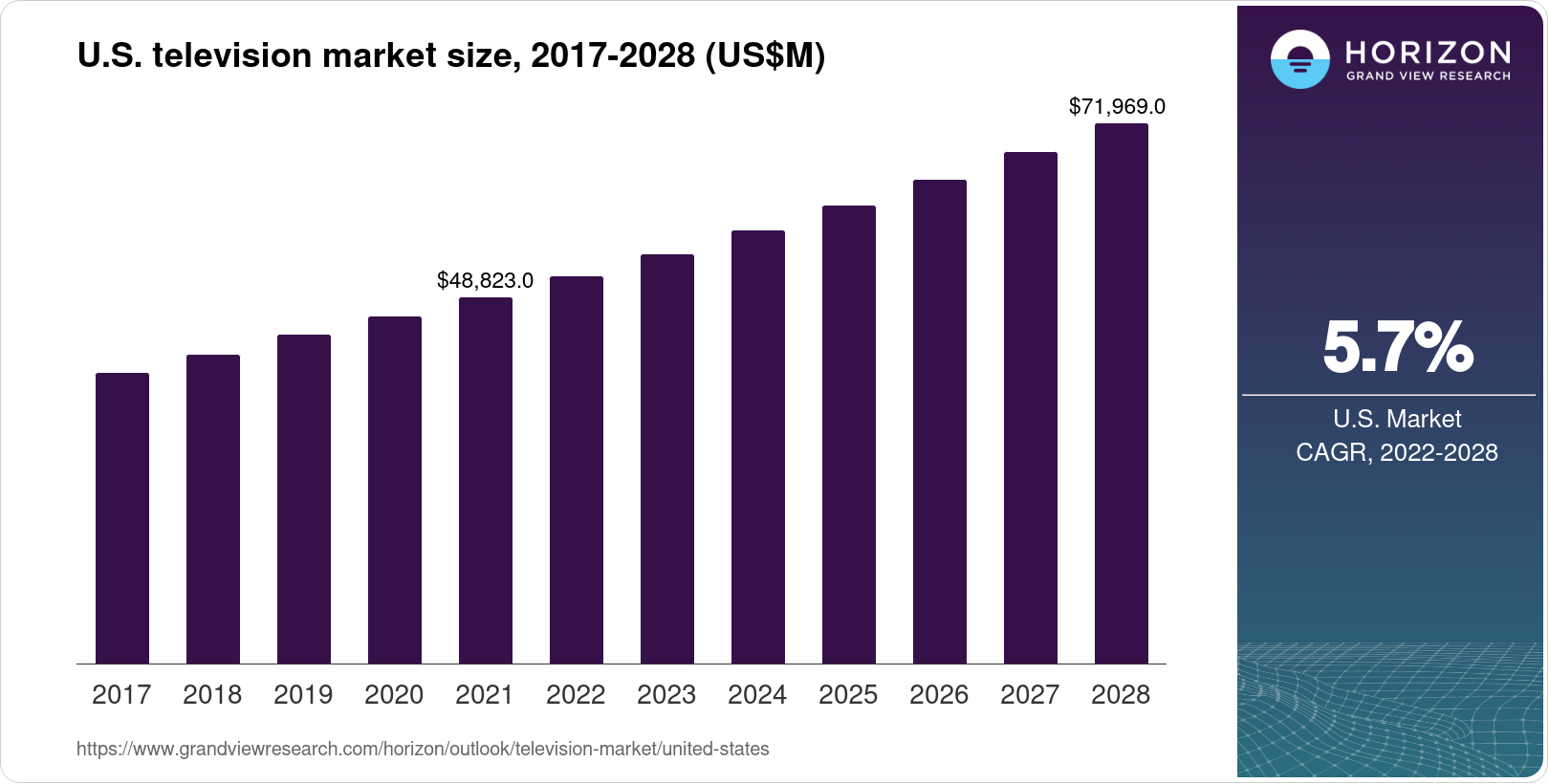
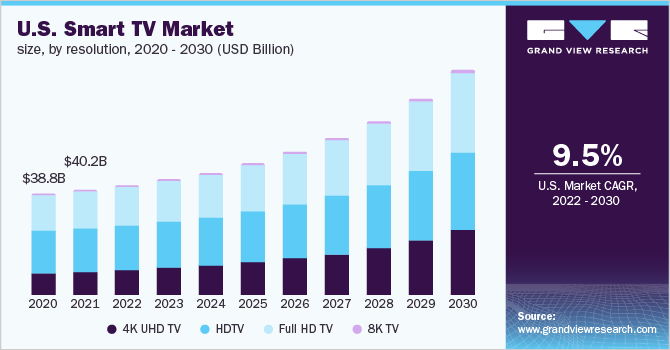
Pay TV Market Size Share Growth And Forecast To 2033 A1df5762 7187 4a1f B351 Tv. US TV And Connected TV Ad Spending Forecasts H2 2024 351713. The United States Television Market Size Outlook 2028 United States Television Market 790485.webp. Decoding The US TV Markets Map A Viewers Guide Us Smart Tv Market . Georgia Dma Map TV Market Maps 4 3 Hd


Georgia Dma Map TV Market Maps TVMarkets Contiguous US . Top 10 Us Tv Markets At Nathan Ronk Blog . Gray Media General Thread Page 30 Corporate Chat Net 75f90085 0e7f 42b1 8ec0. Local TV Markets Ranked By COVID 19 Ratings Surge 03 26 2020 10 QuTHT1P . The Daily Kos Elections Guide To Media Markets And


What Tv Station Is Usa At Eugene Bergeron Blog Map Static 2023 . Local Programming Is Dominant In The U S TV Market MediaLogiq Ml Insights 23 03.webp. TV Market Maps Iowa . File US TV Market Map Svg Wikimedia Commons 120px US TV Market Map.svg . ARBITRON NIESEN Market Maps Methodlogy Market Data Img58



US Map Of Nielsen Media Markets GitHub Thumbnail . Broadcast Tv Stations Map P1 BN627 TVSTAT G . Decoding The DMA Map Your Guide To Local TV Markets 600px Canada TV Markets Map.svg . BB Media MAP 2020 PAY TV AND MARKET Pay TV OTTs Market 2020 DOWNLOAD . WaKeeney Kansas Wikipedia Kansas

Decoding The US TV Markets Map A Viewers Guide Small . Which Major League Baseball Team Is The Cheapest To Stream In 2024 Mlb Streaming Map Costs . Embracing The Windy City Comscore Inc US Local TV Markets . US Map Of Nielsen Media Markets By Rank QxembP 800 . Preserve Viewer Choice US TV Market Map