Exploring the African elephant range map reveals critical insights into where these magnificent animals live across the continent. This navigational and informational guide is perfect for anyone in the United States interested in wildlife conservation, geography, or planning an eco-tourism adventure. Understanding the African elephant range map is crucial for appreciating their natural habitats, which predominantly span sub-Saharan Africa. From dense forests to vast savannas, their distribution highlights the diverse ecosystems essential for their survival. We delve into historical shifts, current challenges like habitat loss and poaching, and the vital role of conservation efforts in securing their future. This topic is trending as global awareness about endangered species grows, prompting many to learn more about elephant distribution and how they can contribute to protective measures. Join us to map out the journey of the African elephant and discover why their range is so important.
What regions do African elephants inhabit?
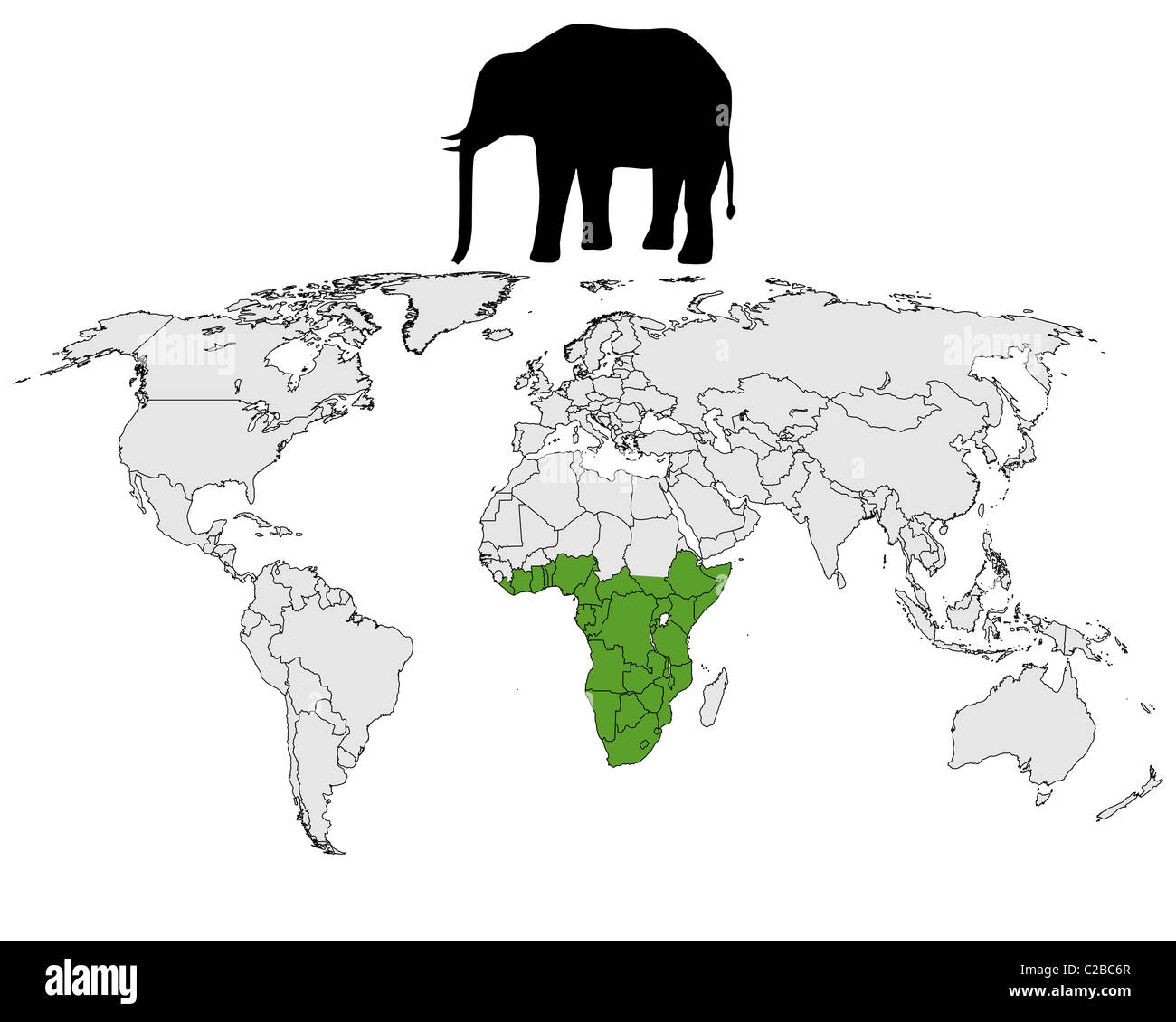
African elephants primarily inhabit sub-Saharan Africa, spanning various ecosystems from dense forests to expansive savannas. Their distribution is now largely concentrated in protected areas and national parks due to human encroachment and habitat loss.
How have African elephant ranges changed over time?
Historically, African elephant ranges were much wider across the continent. Over time, these ranges have significantly contracted and become fragmented, mainly due to human population growth, agricultural expansion, and infrastructure development across their natural habitats.
What are the two main species of African elephants and their ranges?
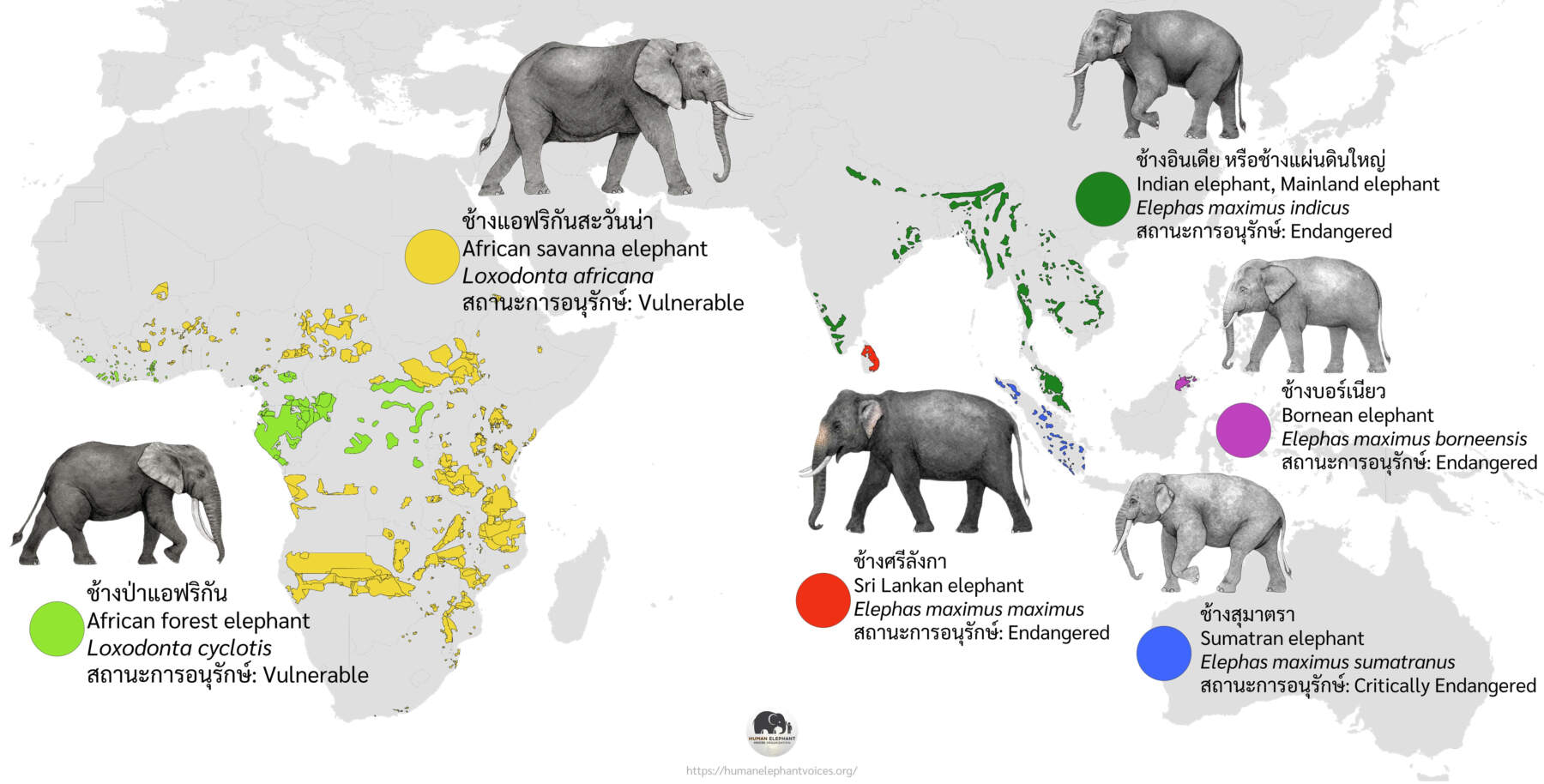
The two main species are African savanna elephants and African forest elephants. Savanna elephants typically range across eastern and southern Africa's grasslands. Forest elephants inhabit the dense rainforests of Central and West Africa, occupying distinct, though sometimes overlapping, territories.
What role does conservation play in managing the African elephant range map?
Conservation plays a vital role by establishing and managing protected areas, anti-poaching initiatives, and transboundary conservation efforts. These actions aim to preserve existing habitats, reconnect fragmented ranges, and mitigate human-elephant conflict to secure the future of the African elephant range map.
Why is it important to track African elephant range maps?
Tracking African elephant range maps is crucial for understanding population dynamics, identifying migration corridors, and assessing conservation needs. This data helps scientists and policymakers make informed decisions for effective species protection, resource allocation, and combating illegal wildlife trade impacting the African elephant range map.
The African elephant range map tells a powerful story of survival and change. These iconic giants, comprising both savanna and forest elephants, roam across vast swathes of sub-Saharan Africa. Understanding where they live, why their habitats are shifting, and how their movements impact ecosystems is crucial for their future. This detailed overview provides navigational and informational insights into the complex world of the African elephant range map for a United States audience.
Discovering the African Elephant Range Map Today
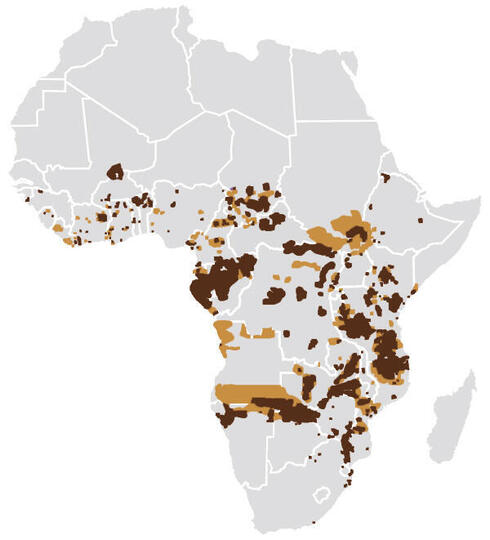
The African elephant range map encompasses numerous countries in sub-Saharan Africa. Historically, their distribution was much wider, but human population growth and land conversion have reduced their territories. Today, their presence is often concentrated in protected areas and national parks, making these zones critical for their existence. These maps are dynamic, constantly updated by researchers and conservationists.
Different types of African elephant range map reflect the distinct needs of savanna and forest elephants. Savanna elephants prefer grasslands and woodlands, found in countries like Botswana and Tanzania. Forest elephants, genetically distinct, inhabit the dense rainforests of Central and West Africa. This geographical separation is important for tailored conservation approaches.
Key Countries and Habitats on the African Elephant Range Map
When we look at the African elephant range map, certain nations emerge as strongholds. Botswana, for example, is home to a significant proportion of the savanna elephant population, thriving in the Okavango Delta. Tanzania and Kenya also host substantial numbers, particularly in their iconic national parks. The Democratic Republic of Congo and Gabon are vital for forest elephant populations.
Conservation efforts are intensely focused on maintaining and expanding these critical habitats within the African elephant range map. Protecting migration corridors between protected areas is essential, allowing elephants to access food and water resources. These corridors are increasingly threatened by human settlements and infrastructure development. The challenges highlight the constant pressure on the African elephant range map.
African Elephant Range Map: A Snapshot of Distribution
| Region | Dominant Species | Key Countries | Habitat Types |
|---|---|---|---|
| East Africa | Savanna | Kenya, Tanzania, Uganda | Savannas, grasslands, woodlands |
| Southern Africa | Savanna | Botswana, Zimbabwe, South Africa, Zambia | Dry savannas, Mopane woodlands |
| Central Africa | Forest | Gabon, DRC, Congo | Dense rainforests |
| West Africa | Forest/Savanna (fragmented) | Ivory Coast, Ghana, Burkina Faso | Fragmented forests, savannas |
What Others Are Asking? African Elephant Range Map FAQ
What is the current range of African elephants?
African elephants predominantly inhabit sub-Saharan Africa, with their range extending across diverse environments from savannas to rainforests. This distribution is fragmented, largely due to human encroachment and land use changes. Key populations are often found within national parks and protected reserves, vital for their survival and the integrity of the African elephant range map.
Which African countries have the most elephants?
Botswana currently holds the largest African elephant population, primarily savanna elephants, followed by Zimbabwe and Tanzania. Other countries with significant numbers include Kenya, Zambia, and parts of Central Africa for forest elephants. These nations are crucial for the long-term conservation outlook of the African elephant range map and its inhabitants.
Why is the African elephant's range shrinking?
The African elephant's range is shrinking primarily due to habitat loss and fragmentation driven by human activities. Agricultural expansion, infrastructure development, and human settlements encroach upon their traditional territories. Poaching for ivory also decimates populations, leading to localized extinctions and further contractions on the African elephant range map.
Are African forest elephants and savanna elephants found in the same areas?
While their overall ranges overlap in Africa, African forest elephants and savanna elephants generally occupy distinct habitats. Forest elephants prefer the dense rainforests of Central and West Africa, whereas savanna elephants thrive in the open grasslands and woodlands of East and Southern Africa. This ecological separation minimizes direct competition and helps define their respective areas on the African elephant range map.
How do range maps help in elephant conservation efforts?
African elephant range maps are indispensable tools for conservation. They help identify critical habitats, migration corridors, and areas with high poaching risk. By visualizing elephant distribution, conservationists can strategically allocate resources, plan anti-poaching operations, and establish new protected areas or community conservation initiatives. These maps guide effective protection strategies across the African elephant range map.
What are the primary threats to the African elephant range map?
The primary threats to the African elephant range map include rampant poaching for ivory, which severely reduces populations. Habitat loss and fragmentation due to agricultural expansion and human development also restrict their movements and access to resources. Human-elephant conflict arises as their ranges overlap, posing risks to both elephants and local communities.
African elephants inhabit diverse sub-Saharan African environments. Their historical range has significantly contracted due to human activities. Current range maps are vital tools for effective conservation strategies. Poaching and habitat encroachment are major threats impacting the African elephant range map. Understanding these maps aids eco-tourism and wildlife protection efforts. There are two distinct species, forest and savanna elephants, each with specific range characteristics.
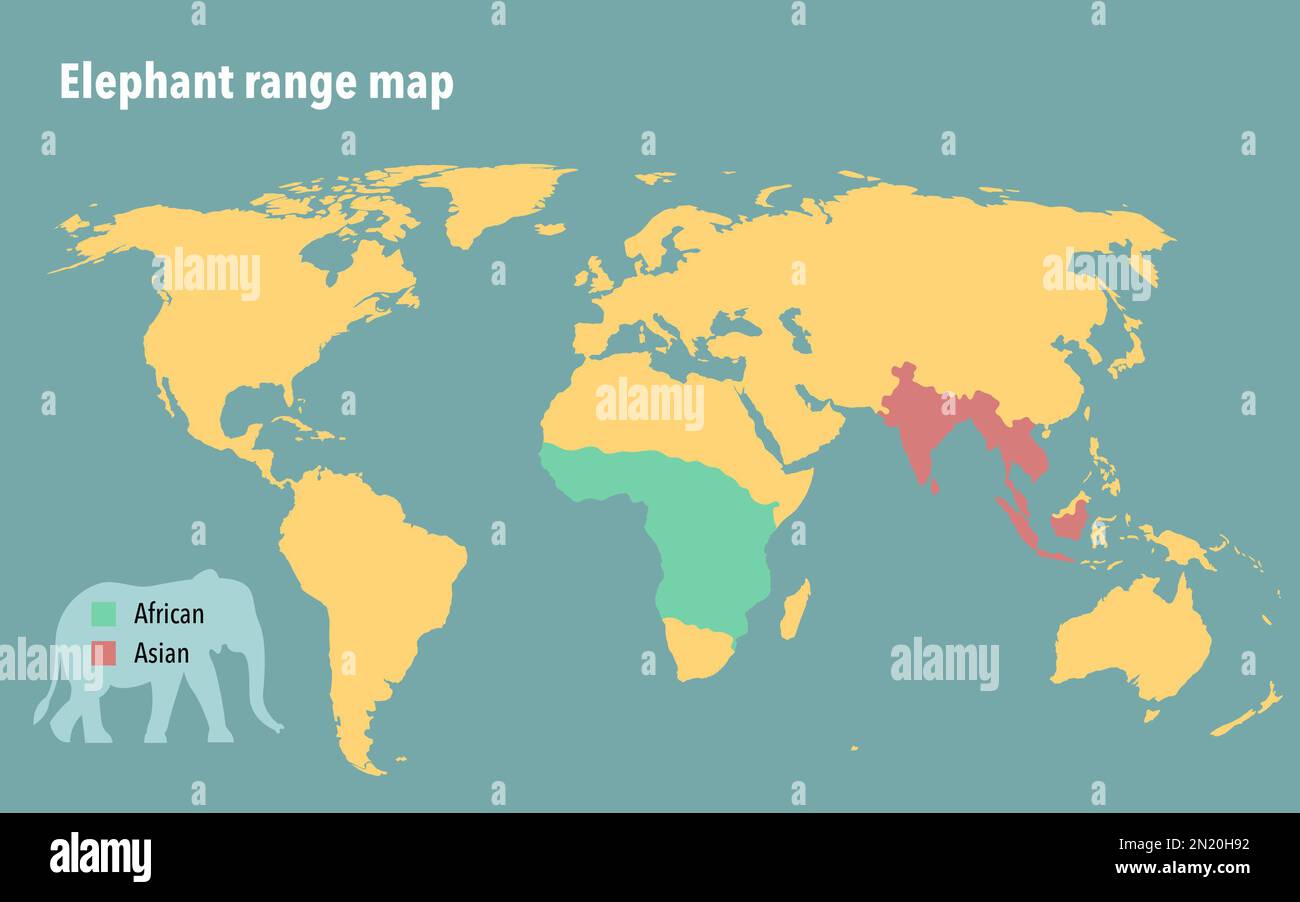 African Elephant Habitat Map Human Activities In Asia Have Reduced Modern Range Map Of Elephants In The World NH
  African Elephants WWF Elephant Range Map
  Range Of The African Elephant Interactive This Maps On The Web Tumblr
  Modern And Historical Range Of The Elephants Vivid Maps Elephant
 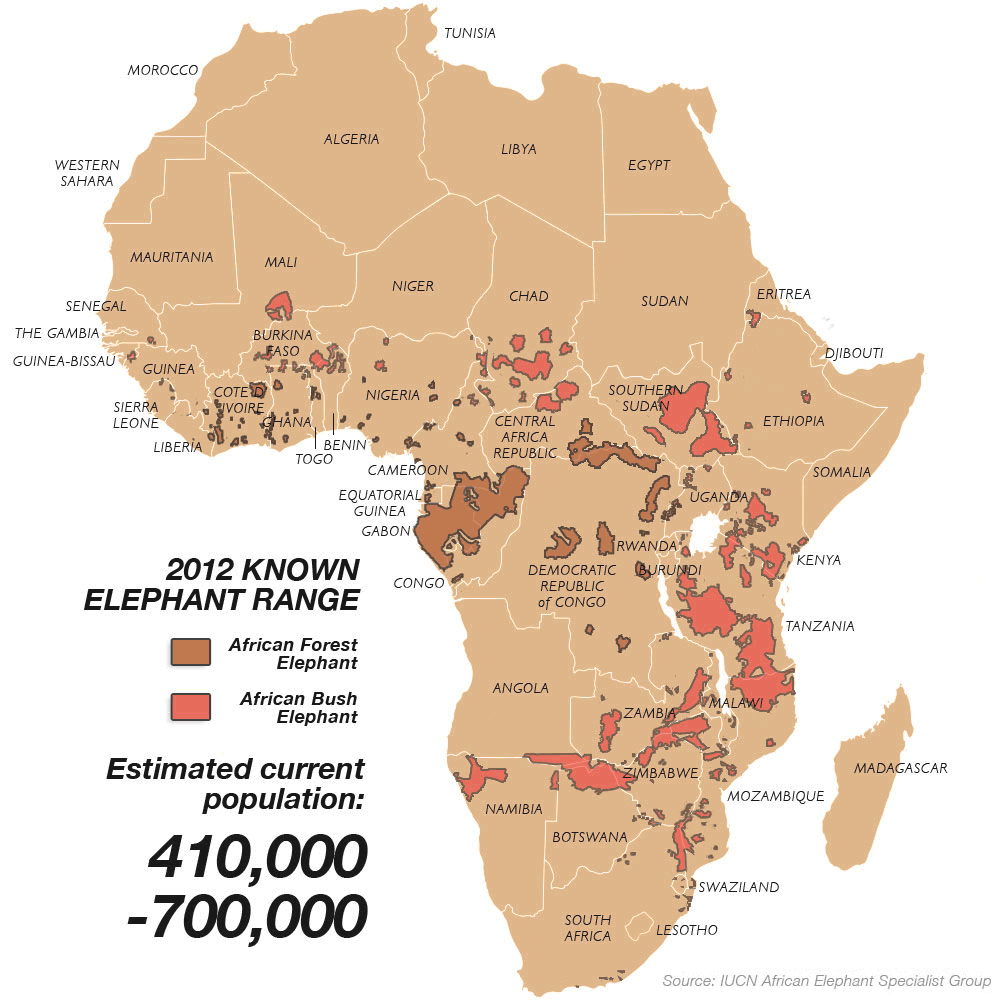 Elephants In Africa Map
 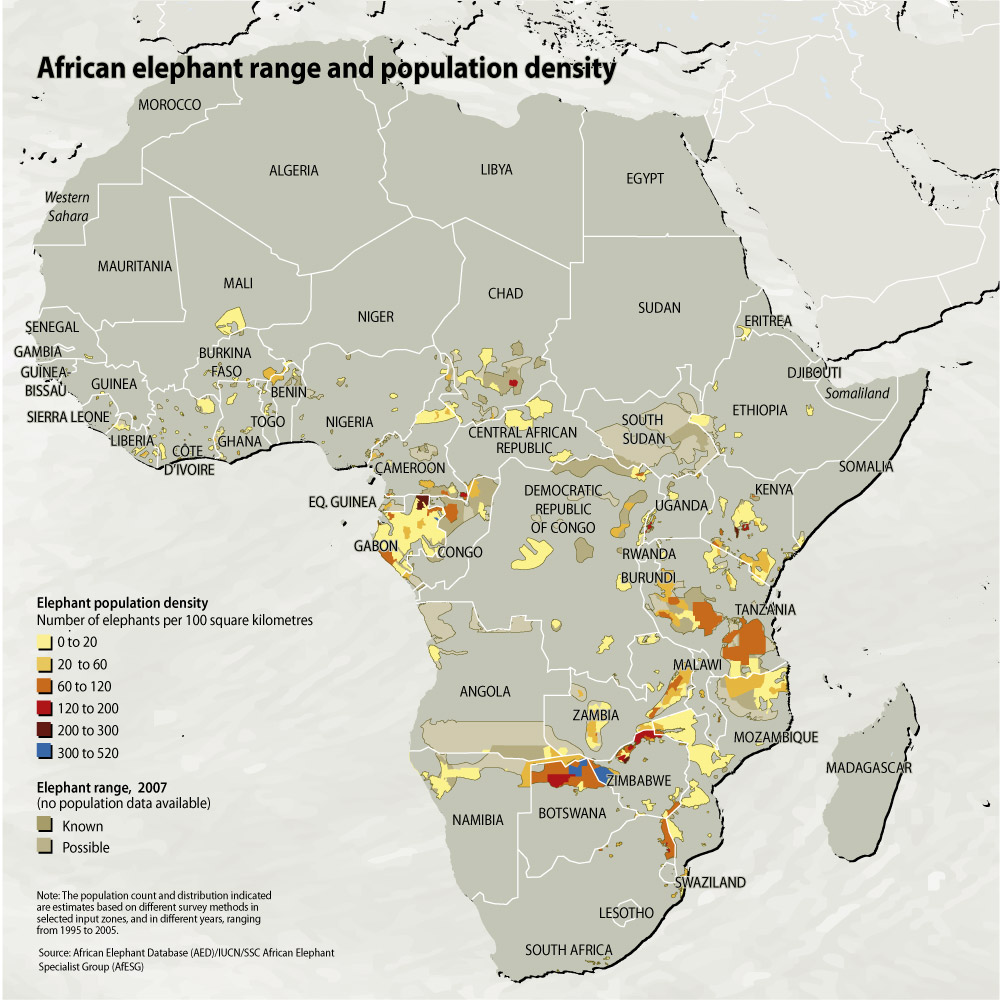 Where Do Elephants Live Map afee O
  WILD ANIMALS IN AFRICA Seulcham Bae
 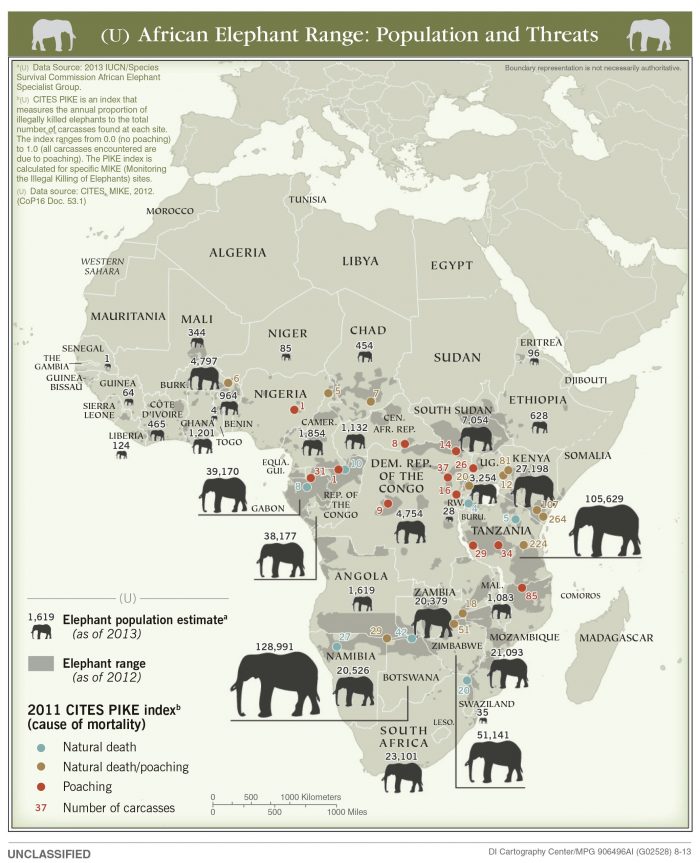 Years Of CIA Maps Now Made Available Online African Elephant Range
  The Status Of African Elephants Magazine Articles WWF adisow Featreu Afrele Map
  Elephants Habitat Map At Caitlin Grimmett Blog Elephant Of The World
  African Elephant Range Stock Photo Alamy African Elephant Range CBCR