Graphical maps represent data visually, transforming complex information into easy-to-understand formats. They are essential tools across countless industries in the USA, from urban planning and logistics to scientific research and public education. Modern graphical maps leverage advanced technology, offering interactive experiences, real-time updates, and personalized insights. These powerful visual aids help us navigate physical spaces, understand demographic trends, and explore intricate networks. Their evolving capabilities ensure they remain vital for decision-making, trend analysis, and enhancing our daily lives. Expect to see more immersive and data-rich graphical map applications shaping our future interactions with information and the world around us. These maps are not just static images; they are dynamic portals to knowledge, making complex spatial relationships clear at a glance for a United States audience.
What is a graphical map?
A graphical map visually represents data, translating complex geographical or statistical information into an easily understandable visual format. It helps users quickly grasp patterns, trends, and spatial relationships. These maps are vital for analyzing data and communicating insights across various fields.
How do graphical maps aid navigation?
Graphical maps aid navigation by providing clear visual routes, highlighting points of interest, and often integrating real-time traffic or public transport updates. They simplify complex directions, helping users plan journeys efficiently and understand their surroundings better. Modern versions offer interactive, personalized guidance.
What makes a graphical map effective for data analysis?
An effective graphical map for data analysis uses appropriate visual variables like color, size, and shape to clearly differentiate and represent data values. Its effectiveness comes from simplifying complex datasets, revealing hidden patterns, and enabling quick comparison, leading to better-informed conclusions and decisions.
Are graphical maps different from traditional maps?
Yes, graphical maps differ significantly from traditional maps. While traditional maps primarily focus on depicting physical geography and features, graphical maps emphasize data visualization. They overlay statistical, thematic, or abstract data onto a geographical base, making them tools for analysis and insight rather than just navigation.
What technologies enhance graphical map capabilities today?
Technologies enhancing graphical map capabilities today include Geographic Information Systems (GIS), artificial intelligence for predictive mapping, augmented reality (AR) for immersive experiences, and real-time data feeds. Cloud computing also enables widespread access and collaborative map creation, revolutionizing how we interact with visual data.
How do graphical maps impact industries in the USA?
Graphical maps profoundly impact USA industries by optimizing logistics, aiding urban development, informing public health initiatives, and enhancing business intelligence. They provide crucial spatial insights for decision-making across sectors like transportation, real estate, retail, and environmental management, driving efficiency and innovation.
What are the benefits of interactive graphical maps?
Interactive graphical maps offer numerous benefits, including personalized data exploration, dynamic filtering, and detailed drill-down capabilities. Users can customize views, focus on specific information, and gain deeper insights through direct engagement. This interactivity enhances understanding and makes data analysis more engaging for users in the USA.
Ever wonder how complex data becomes simple to grasp? A graphical map acts as a visual storyteller. It translates intricate information into clear, actionable insights for everyone. For the United States, these tools are more vital than ever.
This article explores the essential role and exciting future of graphical maps in 2026. We will dive into their applications and what makes them powerful. Get ready to understand your world better with a graphical map.
What is a Graphical Map? Understanding the Visual Storyteller
A graphical map visually represents data, whether geographical, statistical, or abstract. It transforms numbers and locations into clear, understandable images. Historically, maps focused on physical geography. Today, a graphical map overlays rich data.
These maps are designed to communicate complex spatial relationships instantly. They help users identify patterns and trends with ease. From showing population density to tracking weather systems, a graphical map is invaluable. This tool greatly enhances understanding and improves decision-making.
The Power of Graphical Map in Modern USA
In the United States, graphical maps are indispensable across many sectors. Urban planners use them for city development and infrastructure projects. Logistics companies optimize delivery routes with advanced graphical map technology. Public health officials track disease outbreaks and allocate resources efficiently.
Businesses leverage interactive graphical map solutions for market analysis. They identify customer demographics and optimize store locations. These maps often integrate real-time data, like traffic or demographic shifts. This allows for dynamic insights and predictive mapping capabilities. They are shaping how we understand and interact with our environment.
Navigating the Future with Graphical Map
The future of graphical map technology is incredibly exciting for the USA. Emerging trends include AI-powered mapping for deeper insights. Augmented reality (AR) maps offer immersive navigation experiences. Hyper-personalized navigation systems are becoming more common.
In 2026, graphical maps will become even more intuitive and integrated. They will adapt to individual user needs and preferences. This ease of use and accessibility means more people can leverage their power. These innovations promise to transform everyday life and industrial operations.
| Type of Graphical Map | Purpose | Example Use Case |
| Choropleth Map | Shows data aggregated by region using color intensity | Displaying population density by state |
| Heatmap | Visualizes data density or concentration using color gradients | Showing areas with high crime rates |
| Proportional Symbol Map | Uses symbols of varying sizes to represent data values | Illustrating city populations with larger circles for bigger cities |
| Flow Map | Depicts movement or connections between locations | Mapping migration patterns or trade routes |
| Cartogram | Distorts geographic size of regions to reflect data values | Resizing states based on electoral votes |
What Others Are Asking? About Graphical Maps
What defines a graphical map?
A graphical map visually represents data, translating complex geographical or statistical information into an easily understandable visual format. It helps users quickly grasp patterns, trends, and spatial relationships. These maps are vital for analyzing data and communicating insights across various fields and are widely used in the USA today.
How do graphical maps benefit urban planning?
Graphical maps benefit urban planning by visualizing demographic trends, infrastructure needs, and zoning regulations. They help planners identify optimal locations for new developments, analyze traffic flow, and assess environmental impacts. This visual data supports informed decision-making for sustainable urban growth and resource allocation in American cities.
What are the latest trends in graphical map technology?
The latest trends in graphical map technology include AI-powered predictive analytics, augmented reality (AR) overlays for real-world navigation, and enhanced real-time data integration. Personalized interactive experiences are also growing, offering users dynamic and highly relevant information. These innovations are reshaping how Americans interact with maps.
Can graphical maps show real-time data?
Yes, many modern graphical maps are designed to display real-time data. This capability is crucial for applications like traffic monitoring, weather forecasting, and tracking public transport. Real-time updates allow users to make immediate decisions based on the most current information available, enhancing their utility in daily life across the USA.
Where are graphical maps most commonly used today?
Graphical maps are most commonly used today in navigation apps, urban planning, logistics and supply chain management, environmental monitoring, and business intelligence. They are also prevalent in public health for tracking data and in academic research for spatial analysis. Their versatility makes them essential across numerous sectors in the United States.
FAQ about Graphical Maps
Who uses graphical maps?
Many people and professionals use graphical maps. This includes commuters, urban planners, scientists, logistics managers, public health officials, and business analysts across the USA. Anyone needing to understand spatial data visually benefits from them.
What is the main purpose of a graphical map?
The main purpose of a graphical map is to visualize complex data in an easy-to-understand format. It helps users identify patterns, trends, and relationships within geographical or statistical information. This clarity aids in communication and decision-making.
Why are graphical maps becoming more important?
Graphical maps are becoming more important due to the increasing volume of data and the need for quick, insightful analysis. They simplify complex information, making it accessible to a wider audience. Their interactive and real-time capabilities are vital in a fast-paced world.
How do graphical maps improve decision-making?
Graphical maps improve decision-making by providing clear visual evidence of spatial relationships and data trends. They highlight critical areas, potential problems, and opportunities that might be missed in raw data. This visual context allows for more informed and strategic choices.
Summary of Key Points about Graphical Maps
- Graphical maps are powerful visual tools for understanding complex data.
- They are essential for navigation, urban planning, logistics, and research in the USA.
- Modern graphical maps feature real-time data, AI, and interactive experiences.
- They simplify information, aiding in quicker and more informed decision-making.
- The future promises even more personalized and immersive mapping technologies.
Graphical maps visually represent data, simplify complex information, offer interactive features, provide real-time updates, support decision-making, and are crucial for navigation and analysis across various sectors in the USA. They transform raw data into actionable insights.
 Interactive Map Year R
 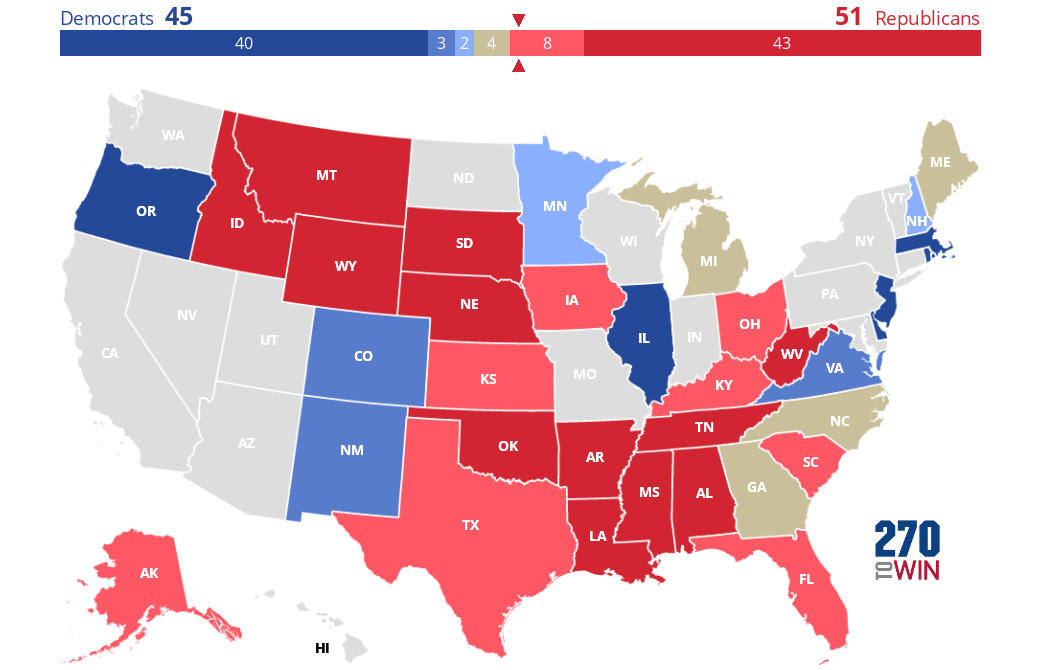 Introducing The Senate Interactive Map toWin Preliminary Senate Outlook
  A Glowing Roadmap Features Milestones Labeled And Beyond A Glowing Roadmap Features Milestones Labeled And Beyond Future Planning And Strategic Roadmap Development Set Vector
 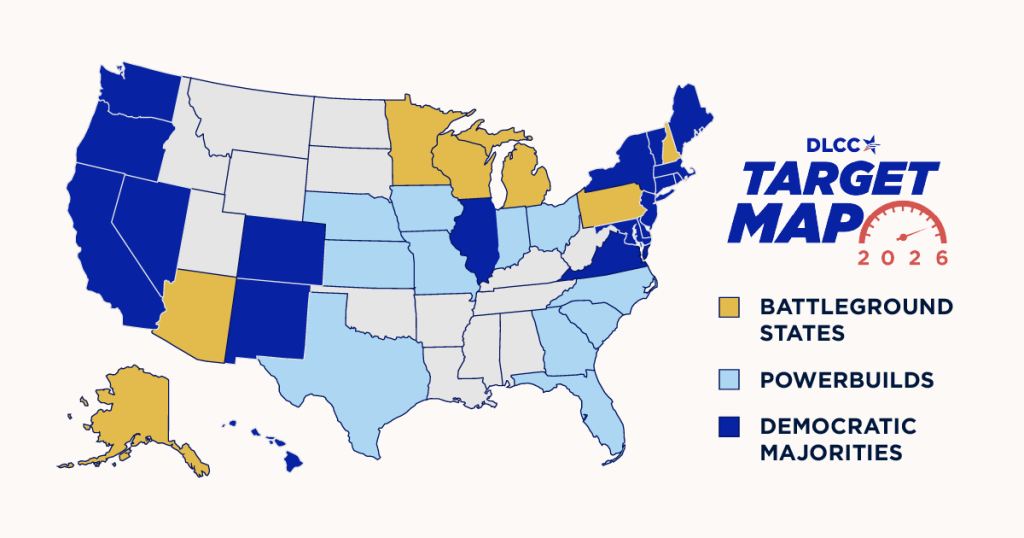 The DLCC Target Map Democratic Legislative Campaign Committee Expanded Target Map Web Inline x
 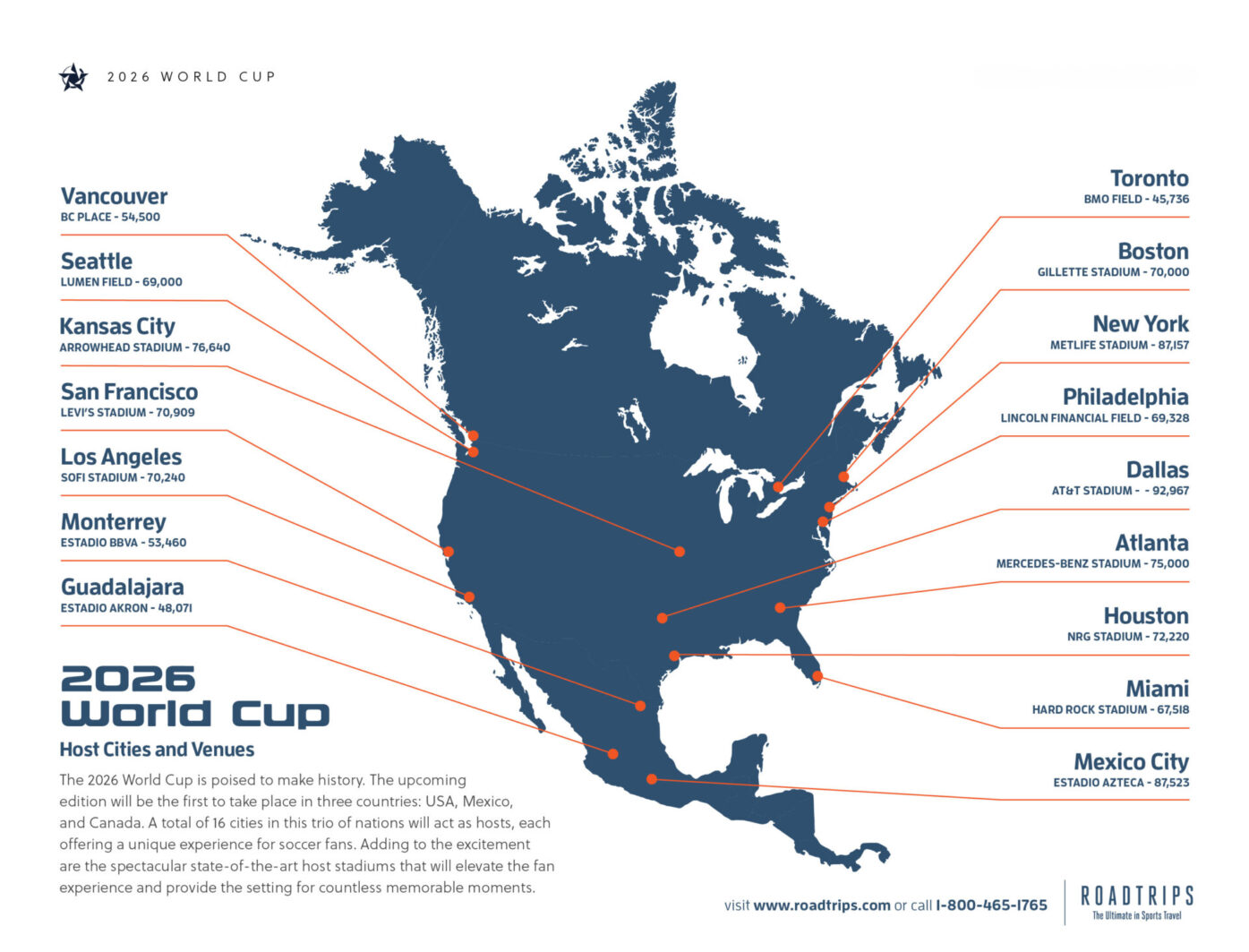 World Cup Cities Map Map Of World Cup Venues Roadtrips Wcmap Schedule Scaled
  SOCCER FIFA World Cup Host Cities Announced Infographic EN
 When Are The Elections
  World Cup Host Cities Revealed
  Road To Journey To The Future Asphalt Highway Leading To A Road To Journey Future Asphalt Highway Leading Bright Sunset Year
 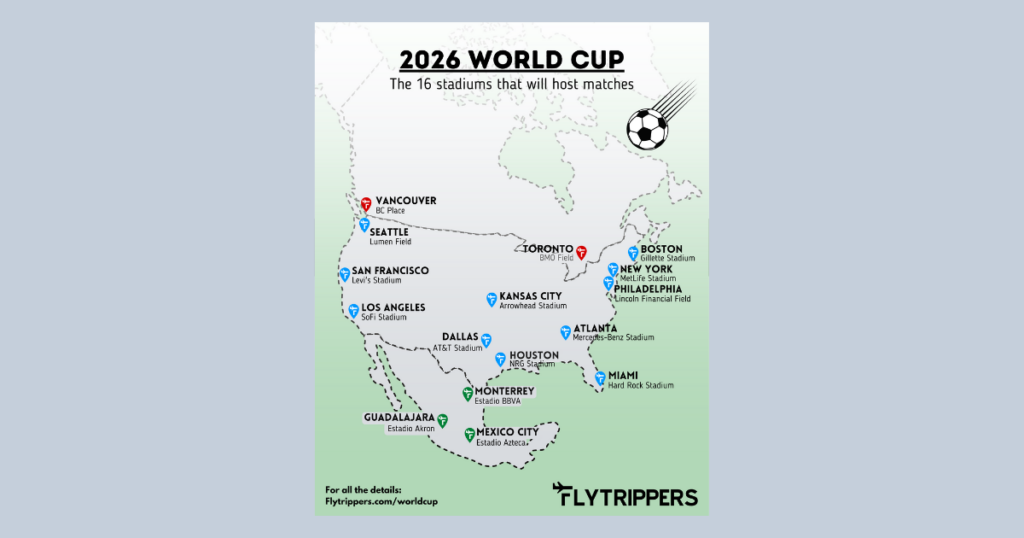 World Cup In Canada The USA And Mexico The Stadiums World Cup x
  Top Graphic Design Trends For Graphic Eagle Graphic Design Trends